
As a travel specialist in World Pinoy Flights, the biggest question that most tourists pose when planning to visit the heritage town, which the UNESCO lists (United Nations Educational, Scientific, and Cultural Organisation), before visiting Vigan is, what are the best things to do in Vigan? My two weekend excursions around the cobblestone lanes of the old town have provided the answer to that more than enough: combine culture, food, and scenic walks into one easy-to-follow itinerary.
Eat breakfast early, beat the rush of the tourists to Bahay na Bato and proceed to the Plaza Salcedo, one of the best Vigan tourist attractions, providing a glimpse of Spanish colonial architecture and wacky local cafes; locals there will insist on trying the well-known Vigan empanada, which is a must-taste that will make the tour of the city memorable. Start there, rent a bicycle or a tricycle, and ride through the centre of the old town of Vigan, Calle Crisostomo, where you can see the famous cobblestones and the WWII watch towers. This is one of Vigan’s must-see destinations.
Vigan, whether you are asking yourself, “Is Vigan worth visiting?” The answer is yes, since every corner has a story to tell; the living history of the town is as vibrant as the sightseeing attractions in Vigan, the Museo ni Antonio Luna, and the Sandugo Dances of the Virgin. Have lunch at an inn that is run by a family and sample the classic Vigan sinigang, then visit the local market and get fresh mangoes, the best souvenir. In the afternoon, take a quick tour of the Cape Bojeador Lighthouse, which is only a few minutes away, and enjoy the panoramic view of the Philippine Sea; this will be a natural touch to your schedule.
Complete your day with a sunset walk along the coast, and you will have had a full Vigan travel guide that is both culturally and cuisine-filled, scenery-based, and economically friendly. Read these bits to help you explore the best of Vigan, and you will be left with memories that even shine brighter than the old stone walls of this historic Philippine jewel.
What to Do in Vigan
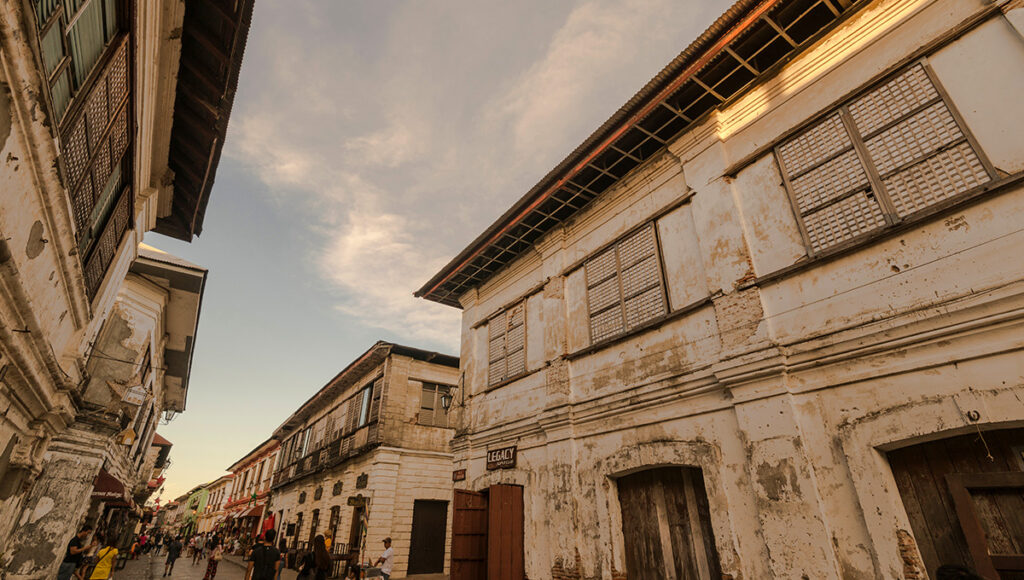
Vigan city, a World Heritage site, is a museum of living history of the Spanish colonial architecture and the Filipino heritage. Its cobblestone streets, well-maintained wooden houses, and ancient churches create a sense of timelessness and welcome. You can be assured there are plenty of places to visit, whether you’re just taking a day trip or staying overnight. One day is sufficient to walk the length and width of Calle Crisologo; to see the museum-house in the old town; and sample local specialities, but an overnight stay will enable you to enjoy the nocturnal beauty of the streets, particularly around the plazas, which are lit with lantern lights.
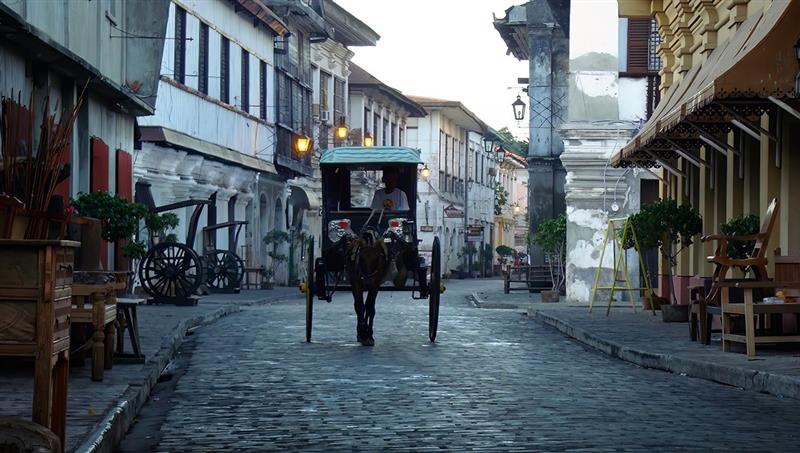
The first thing before you move out, however, is to rent out a tricycle or a calesa, an elegant horse-drawn carriage, to sightsee the city. Tricycles can be easily found just outside the bus terminal and the major tourist destination, and the calesa is preferable, as it will be a more picturesque ride, especially around the centuries-old oak trees and the river that flows through the city. When you are riding by yourself, it will be cheaper and more convenient to use the cheap, reliable tricycles to get you to important places in the area, including the Vigan Cathedral, the Plaza Salcedo, and the famous lantern market.
Begin with the centre of the old town when visiting the city for the first time. It is within walking distance of Vigan City Hall and the old Calle Crisologo, which is near the bus or train station. And here you will find the old stores, the local artisans, and the rich smell of empanada and kakanin nga Sariyan e Vigan, the best first impression of the food in the Philippines.
Then, a few minutes’ walk will take you to the museum of the old town, where you can see a glimpse of the life of the ancestors of Vigan and the colourful history of the city. Starting at the geographic and cultural centre of the city, you will explore the other parts of the city with alacrity, even as an experienced traveller or a first-time visitor.
What to See During the Daytime
Burgos Museum – Cultural and Historical Significance
The Burgos Museum is part of the Vigan culture garment, providing visitors with an entry point into the city’s colonial heritage and the richness of local culture. The museum occupies a carefully preserved 18th-century structure. It features an eclectic array of materials that trace Vigan’s development as both a trade hub in the Spanish empire and a contemporary UNESCO World Heritage site.
Once you enter, you will be greeted by finely crafted wooden furniture, old attire, and flawlessly maintained ceramics depicting the lives of the people of Vigan during its early history. The museum’s rotating exhibitions also tend to feature local artisans, and you are welcome to visit the craftsmanship that identifies the area. For anyone wondering whether Vigan is worth visiting, the Burgos Museum is an undoubtedly worthwhile experience that enhances your understanding of Vigan’s historical value.
The museum’s design promotes an active learning experience, and multimedia displays bring to life the stories of Vigan’s early inhabitants and the socio-economic processes of the Spanish period. The guided tours are in both English and Filipino, accompanied by contextual insights, and are open to both international and local travellers. Tourists can also buy copies of the displayed sculptures, and a visit to the museum becomes a physical reminder of their stay in the Philippines.
In the company of the Burgos Museum, other Vigan tourist attractions like the old Calle Crisologo or the busy Plaza Salcedo, you have an excellent mix of a complete Vigan itinerary. The distance between the museum and the old town is not huge: you can easily visit the museum during your lunch break, enjoy the cultural experience, and then continue exploring Vigan’s streets, stores, and food. Essentially, the Burgos Museum has not simply been an exhibition hall of relics; it has been a classroom where students have the privilege of exploring Vigan and, at the same time, appreciating the rich heritage of the city.
Crisologo Museum – Political and Local History
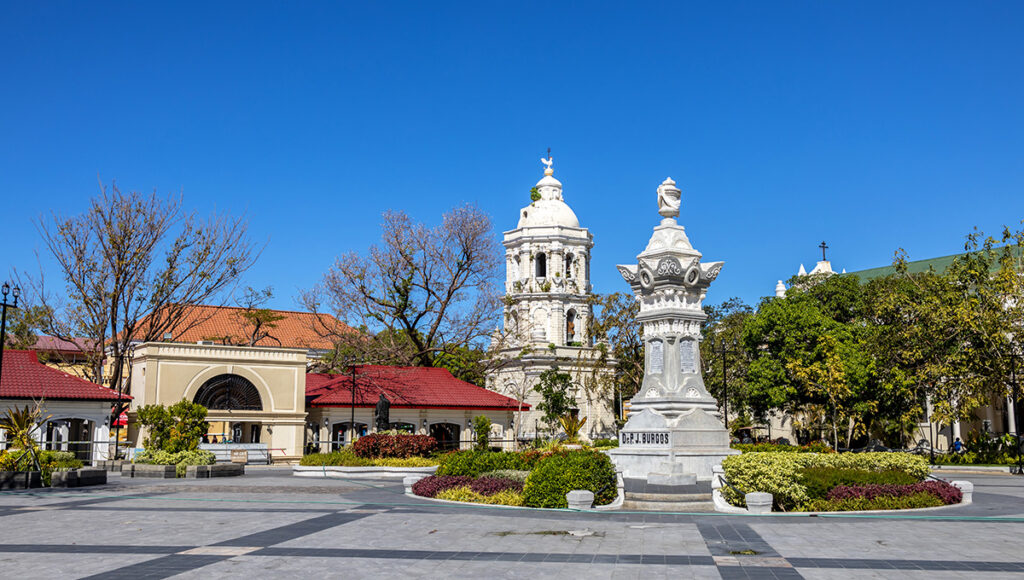
Crisologo Museum is one example of the political legacy and local history that have influenced Vigan’s identity. The museum, which bears the name of a famous family, the Crisologos, contains a treasure trove of documents, photographs, and personal items that show the city’s progression from a colonial base to a modern-day municipality. As you stroll through its two-storey halls, you will also be welcomed by exhibitions outlining the political movements that shaped the Philippines, including the Philippine Revolution and the independence struggle.
The museum has many interesting aspects, but one of the most captivating is the large quantity of personal diaries and correspondence of the Crisologo family. These items provide a special clue into the lives of the people who ruled and led Vigan and help the visitor understand the individual motivations behind significant historical events. For tourists wishing to do some sightseeing in Vigan, the Crisologo Museum would add a point to the city’s political history, making any further visit to Vigan’s tourist spots, including the Vigan city tour or the most famous Vigan Old Town, even more worthwhile.
Interactive displays, such as a reconstruction of a 19th-century legislative chamber, allow visitors to experience the political discourse of the time. Each exhibit has an audio guide that narrates the story behind the artefact, so even someone who does not know much about Philippine history can learn its significance. This is because of its strategic location next to the busy Plaza Salcedo and close to the historical church of San Vicente Ferrer; the museum is a good complement to any Vigan travel guide itinerary.
Essentially, the Crisologo Museum will encourage you to go a little deeper into Vigan, beyond the picturesque streets the city offers, and to walk through the political streams that have defined the city’s character. A comparison of the Crisologo Museum and other attractions in Vigan will tell you all you need to know about Vigan as a distinct cultural centre in the Philippines.
Pagburnayan Pottery Factory – Traditional Pottery Making Experience
As a practical cultural experience, the Pagburnayan Pottery Factory offers visitors an in-depth look at the cultural art of pottery making in Vigan. The factory is housed in a peaceful courtyard with old trees, and it is the beating heart of the Vigan tourist spot that has existed across generations. You are welcomed by the earthly smell of clay and kiln smoke, which sets the stage for a memorable experience.
The factory is known for its high standards of craftsmanship, as local artisans use time-tested methods to process raw clay into beautiful, useful pieces. Tourists may take part in a guided class to learn how to work with clay, form a pot, and use decorations that are rather complicated and reflect the motifs of native peoples. It will not only serve as an addition to your Vigan itinerary but also enable you to get a personal souvenir, which is a physical remembrance of the experience that you had in the Philippines.
The idea of sustainability is reflected in Pagburnayan through its use of locally available materials and renewable energy sources for pottery firing. The hospitable people of the factory usually tell the history of the region’s ancestry, how pottery became a part of the life cycle, and cultural practices since ancient times. When you observe the fires burning in the kiln, you will be glad to see the fine line between tradition and innovation that characterises the culture of Vigan.
The factory’s easy access makes it a perfect tourist destination to include in the list of things to do in vigan, Philippines, after sightseeing the busy street markets, or before travelling back to the hotel to spend the night comfortably. Incorporating the Pagburnayan Pottery Factory into your Travel Guide Vigan experience, you will combine the art of touch with the story of history, enriching and captivating this beautiful old town.
Bantay Belfry Tower – Viewpoint and Landmark
Bantay Belfry Tower is one of the most popular Vigan landmarks, offering visitors a scenic view of the city’s cobblestone streets and rice terraces. This ancient watchtower, a UNESCO site, was originally constructed in the 18th century to secure Vigan against invaders. The stone facade and spiral staircase are also a fascinating glimpse of the past; today, its observation deck offers panoramic views of the colonial structures of the old town for tourists. The tower is a place you should not miss when you are planning what to see in Vigan, particularly when you want to make memorable photos in your travel blog or Instagram feed.
Once on the small steps, you will experience all the echoes of the past centuries, and the sight of the sun setting over the rice fields will make you remember the reasons why Vigan is one of the most cherished tourist destinations of the Philippines. The Bantay Belfry Tower might be a great blend of history and natural beauty, and that is why you can find both: the historic building and nature are key ingredients of a Vigan itinerary.
St. Augustine Parish Church – Architectural and Religious Importance
The St. Augustine Parish Church, a masterpiece of Spanish colonial architecture, is one of the pillars of Vigan’s cultural identity and an important attraction in Vigan. The high bell tower and the finely decorated exterior and interior of the building are reminiscent of the magnificence of Manila’s oldest churches. However, the building is quite small relative to its spiritual importance. The church was constructed in the 17th century, which is why it still stands as a living witness to the blending of Catholic traditions and local Filipino traditions.
Its frescoes, stained-glass windows, and carved altarpiece tell biblical tales that have inspired generations of worshippers. The church’s heritage is often featured on guided tours, providing visitors with insight into the city’s religious history. St. Augustine Parish Church is a must-visit for those interested in architectural beauty and religious history. It highlights why Vigan is regarded as one of the most beautiful old towns in the Philippines and provides a peaceful refuge amid the busy streets, adding a touch to any Vigan travel guide.
Baluarte Park & Zoo – Family-Friendly Attraction
Baluarte Park & Zoo is a refreshing break from the stone-filled streets of Vigan, a very green park ideal for families with a lounge and anyone wishing to rest after a sightseeing tour. This park, located next to the historic Baluarte Street, is home to a small yet charming zoo featuring local animals, including peacocks, parrots, and reptiles of all kinds. Children can play in the playground and picnic grounds, and adults can relax on shaded benches, looking out at the bustling market stalls along the adjacent street.
The park is well located and can be a good place to visit when exploring Vigan’s tourist sites, offering a natural respite from the city’s historic atmosphere. Baluarte Park and Zoo offers a good combination of nature, wildlife, and culture, making Vigan worth visiting whether you are alone, with friends, or with family. It is an attraction that adds to any Vigan itinerary and reflects the city’s focus on community and leisure.
What to See During Nighttime
Once the sun goes down over the cobblestone streets of Vigan, the Heritage Village and the Calle Crisologo turn into a lantern-lit fairy tale. The Spanish houses of yore are warm amber, with their wooden shutters silhouetting features of local people walking or riding bicycle taxis. Street merchants set up food stands, filling the air with the smell of grilled squid and sweet leche flan, and jazz and folk guitar in the background of the evenings.
The lighting in this place is not just convenient but also dramatic: low-hanging lanterns and LED strips illuminate the colonial buildings, and every corner is ideal for a photo. Shoot the windows made up, as at nightfall, or the crowded night market with its lanterns dancing above stalls of handmade lace and bronze. One may want to explore the folklore of the city at a less brisk pace; in that case, the guided tour of the Ghost Walk is an interesting experience that would allow one to see the folklore of Vigan with a truly fascinating view, as long as they wear comfortable shoes and carry a small flashlight.
Evening walking: it is best to do so in a well-lit, populated place, keep a careful eye on your possessions, and avoid rickety bridges over the river. When you are in the mood to do something casual, you can go on a sunset cruise on the Rio Grande or have dinner at one of the teahouses that overlook the old town. Vigan at night is not just a sightseeing event; it is a whole cultural experience that is indeed a timeless attraction of the city.
What and Where to Eat
When you are in the cobblestone streets of Vigan, it will be easy to discover that the cuisine in this city is as colourful as the historic buildings. Another dish that cannot be missed is Bagnet Sisig, crispy pork belly served sizzling, mostly at the Casa d Amiga along Calle Crisologo. To taste traditional Filipino cuisine, one can go to Piro House for pinakbet, a dish of fresh vegetables and savoury sauce that is quite popular among locals and tourists alike. Those who love desserts must go to the legendary Aso’s Bakery to taste some handmade pastries, or have the sweet mango floats at Ice Cream Lao, which are affordable and Insta-famous.
Tasty, affordable snacks such as empanadas and fresh coconut juice are also available at street stands in Plaza Salcedo. To fully enjoy the food in Vigan, one should consider a food tour that pairs each dish with local history, making every bite a story. You can eat local by planning your meals and visiting places locals frequent to experience authentic flavours without spending much.
These delicacies make visiting Vigan a great part of your travel itinerary, and the city’s cuisine is as special as its cobblestone roads. Once you dine, walk back to the town square and have a cup of coffee at Café de la Paz, where you can be tempted by the smell of coffee beans roasting and the smell of stone. For more adventurous eaters, explore the Filipino street food.

Trivia-Trivia!
Vigan, whose name is thought to be derived from the Ilocano term Vigan, meaning cool wind, was originally a small town that became a port when the Spanish arrived in the 16th century. The Spanish named it Villa Vigan and, over the centuries, developed its layout in a grid pattern, which led to its present-day status. This grid designation earned the city the UNESCO title of a World Heritage city in 1999, making it the oldest segment of the colonial town in the Philippines. Colonialism can be traced in every detail, the beautiful brick streets, the symbolic Calle Crisologo lined with wooden houses, and the huge Spanish-era churches that dominate the horizon.
Other influences of indigenous and colonial cuisines are seen in Vigan Kawayan (bamboo) and Kalamay (a sweet, sticky rice dessert), which blend native and foreign ingredients. The cultural attractions and events include the Vigan Heritage Festival, celebrated annually, where locals don colonial-era attire and reenact historical scenes, and El Morro de la Reina. This centuries-old watchtower offers scenic views of the city. Tourists have no problem sightseeing Vigan on a bicycle or in a horse-drawn carriage, enjoying the vibrant markets, and the vibrant turot (traditional dance) show. Generally speaking, the rich history, architecture, and culture of Vigan make the city a tourism destination that every traveller must visit to glimpse the colonial past of the Philippines.
Get Your Street Smart Tips Here!
Navigating around Vigan is very easy as long as you are aware of the tricks of the trade. Most attractions in the city are within walking distance because of its compact old town; however, for longer distances, a tricycle is the preferred mode of transport.
A ride within the historic quarter would typically cost between ₱50 and ₱60, whereas a visit to the more far-off Vigan River or the Plaza of the Supreme Court may cost between ₱80 and ₱120. Ride a calesa, the cost is about 120-150 pesos per ride, riding round and around Spanish colonial homes. To escape the heat and the crowds, you should get up early. The Plaza Burgos gets the sunrise at 9 am; it will be a good time to take photos of empty streets.
The time before noon is best, with the cool breeze, and the afternoon and evening are best, with the lantern-lit avenues of the old town in the twilight. If you are in a hurry, make a reservation for a Vigan city tour that includes several attractions, so you won’t need to retrace your steps.
Finally, cash is always a good idea, since most stalls and tricycle drivers accept cash in pesos. These are the tips you need to have when you are on the street, to take you through the best places in Vigan and leave behind you more than just the colonial cobbles. Do not forget to wear comfortable shoes and to bring a water bottle to remain hydrated today.
Conclusion
Vigan is a UNESCO World Heritage Site in the Philippines, a living tapestry of Spanish colonial beauty, and a must-visit destination for tourists seeking authentic heritage. The first thing to do in Vigan is to walk the cobblestones on Calle Crisologo, ride an old bicycle to sightsee the old town, visit the recognisable Vigan Bell Tower, explore the Syquia Mansion Museum, eat local delicacies such as empanadas in a street cart, shop around the Plaza Salcedo, and take sunset rides in a horse-drawn carriage. These are the Vigan attractions that are the centrepiece of the city’s sightseeing experience and provide a complete Vigan itinerary to spend a day in a flash, but for a large amount.
Is Vigan worth visiting, or are you just curious about what to do there? The answer is yes. The rich culture of the city, the thriving food industry, and the well-preserved architecture will make you feel like a time traveller exploring Vigan. To make your visit hassle-free, reserve flights through World Pinoy Flights (they offer a package that lets you save time and money) so you will not be late or waste money. With proper planning, selecting the correct accommodation, planning a tour of Vigan city, and hiring local guides, you will realise that a well-organised trip not only saves you money but also allows you to enjoy every moment in this great heritage site.
FAQs about Things to Do in Vigan
Is Vigan worth visiting for first-time travellers?
Yes, Vigan can be described as a perfect place to visit for the first time because it is a historical city, a cultural and food paradise.
Is Vigan worth visiting for first-time travellers?
Yes, Vigan can be described as a perfect place to visit for the first time because it is a historical city, a cultural and food paradise.
What is the number of days that is sufficient to tour Vigan?
A day or two should be sufficient to visit the key places of interest, have food trips, and visit Calle Crisologo.
What is the best time to visit Vigan City?
The most appropriate time is when it is dry (November to May), particularly early in the morning and late in the afternoon.
What are the budgets for a trip to Vigan?
Low-end fliers will be able to spend approximately PHP 2,000 to 4,000 a day, covering accommodation, food, and transport.
How do I make cheap visits to Vigan?
Booking early with World Pinoy Flights enables the traveller to secure lower flight prices, hotel rates, and tour packages.