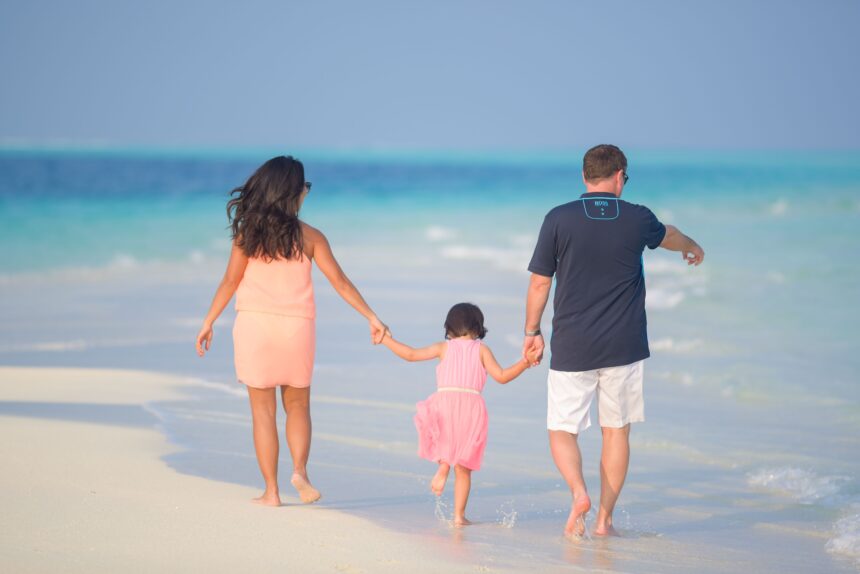
“Family time, island vibes and memories on repeat — that’s the Philippines!”
Mabuhay, families!
Forget the packed schedules and the rush to see it all. Holidays can be some of the best when you don’t get too caught up planning ahead.
Picture sandy toes, street food to try, afternoons spent splashing and sunsets that make everyone grab their phone. Each day in the Philippines offers a new experience, whether you’re going to see the wild or heading on to tropical islands, or simply just having a relaxed beach day with the people that matter the most.
With more than 7,000 islands, there is plenty to explore. However, a great family holiday doesn’t involve visiting every island or making it to each attraction. It’s all about finding locations that work for your family, keeping things easy for the little travellers and leaving room for unplanned fun.
Ready to plan a family holiday with more sunshine, less stress and memories to last long after you get home? Let’s go on a tour around the Philippines!
Why the Philippines is so suitable for families
Beautiful beaches are not enough to make a good family destination.
Parents want comfortable housing, reasonable travel time and location, and a place where children can stay active without becoming overtired. Older kids might want adventure, younger kids might just want a pool, ice cream and a safe place to play.
All these can be achieved in one trip in the Philippines. You can combine a lively city with a peaceful island, a family-friendly resort with a nature adventure or a few days of exploring with several days of doing absolutely nothing.
It is one of the strongest features of the country that it is flexible.
Families planning a trip to the Philippines can also choose how adventurous they want the holiday to be. Families with young children may choose for shorter transfers and a stay in a resort. For families looking for activities to do with teenagers, island hopping, snorkelling, diving, hiking and cultural activities are included.
But the key is to not look at Philippines as a single destination. Every island and region has its own unique character.
Start with the right island, not the longest wish list
One of my favourite ways to plan a family holiday is to ask myself a simple question,
- How do you want your family to feel when you get home?
- Relaxed?
- Excited?
- Connected?
- Adventurous?
After you have the answer, it becomes easier to pick your destinations.
Boracay is a popular choice for families seeking soft beaches and scenic beauty. Palawan is great for slow travel and nature. Cebu is suitable for families that prefer a blend of beaches, marine activities, and sightseeing. Beaches, countryside, wildlife and memorable day trips all come together in Bohol.
Manila can also serve as a destination for a longer trip, particularly if you hereafter fly abroad from the country’s capital.
It is not necessary to see all of them. Indeed, you should not.
A family holiday is a lot more fun if there is more time to get up slowly, eat breakfast together and enjoy the place you’re now in, rather than packing up and going everywhere.
Boracay: The Easy-Going Beach Favourite
Boracay is one of the places to consider if your family is looking for soft white sand, warm sea and a holiday where the beach is always close.
Its renowned White Beach stretches along the island’s western coast and is segmented into various parts, offering a selection of energetic places and tranquil corners for families.
You don’t have to make the day complicated if you want to swim in the morning, have lunch by the sea and come back to the beach for sunset.
But simplicity is important when travelling with children.
There’s also lots of activities to enjoy with the family if they’re looking for something different from sunbathing. Depending on their age and abilities, consider boat trips, paddle boarding, snorkelling and more water based activities.
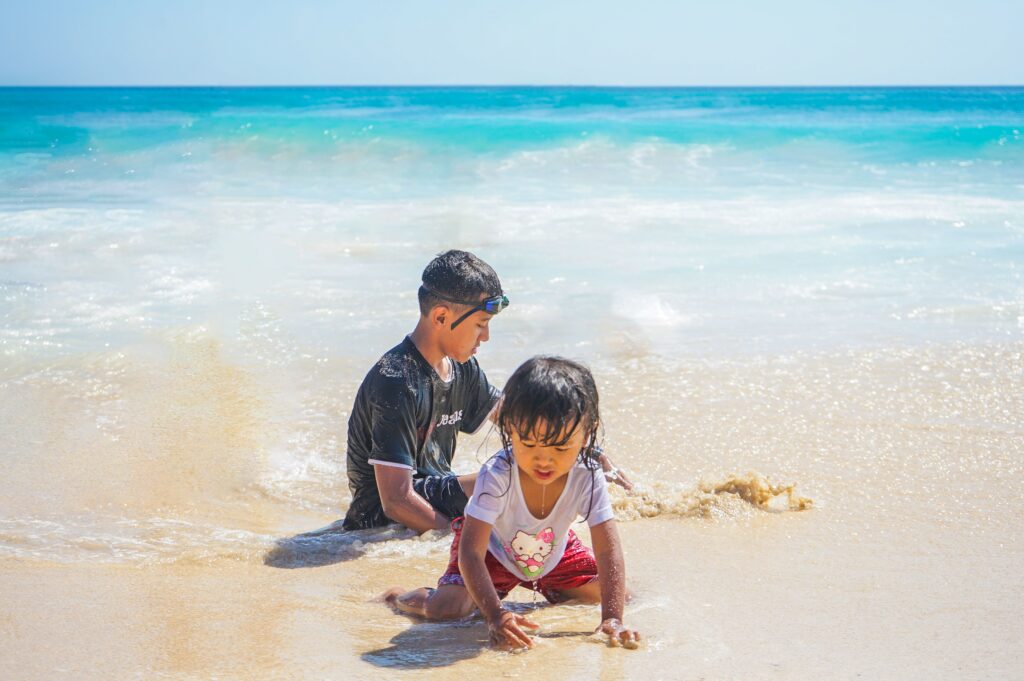
In fact, for younger children, the most suitable activity is just to sit and play by the water, while parents get some time off.
When people search for family holidays Philippines, they tend to want a place that is both thrilling and easy to deal with, and Boracay can provide just that.
Family tip: It’s important to not over-schedule every day. Reserve a whole day for a beach-free day. The unplanned moments are remembered more by children than the organised ones.
Bohol: where nature becomes part of adventure
Bohol is an excellent destination if you prefer to go beyond the beach with your family.
Known for the Chocolate Hills, the countryside, rivers and coastal areas provide ample opportunities for family fun.
The Philippine tarsier is one of the most iconic animals of Bohol. Tiny primates are a fascinating sight to see but responsible wildlife tourism is important. Select reputable facilities and adhere to advice on managing noise and distance.
Families can also enjoy the Loboc River area as well as the countryside and enjoy time around Panglao with beaches and resorts providing a comfortable base.
This is where a family holiday in the Philippines becomes more varied. An alternative to spending the entire holiday with a swimming pool is to offer children the opportunity to explore other aspects of this country.
They might even return home with new names for islands, animals, local foods and landscape features that were unfamiliar to them.
This is the best way to travel.
Palawan: for families who want the wow factor
Palawan is a picture-perfect side of the Philippines.
It’s one of the most memorable areas of the country for clear water, dramatic limestone formations, hidden beaches and fantastic island scenery.
In addition to being a popular destination for island hopping, El Nido is also renowned for its stunning lagoon, reefs, and surroundings, making it a must-visit for those who enjoy the natural world.
However, the following family-planning tip is important: great does not equal easy.
Rides on the boat may be long and weather and excursions are better for older children than very young ones. Find out before you book: how long the trip will take,what kind of boat it will be, whether there will be swimming opportunities, and what is provided.
Palawan, however, can turn out to be one of the best experiences for families with older kids.
Ever visualize your kids peering out from a boat and notice huge limestone cliffs rising out of emerald water?
Those are the times that remain.
Cebu: a little bit of everything
Cebu is another great destination for families travelling with children as there you can get a mix of city comfort, beach, marine and day trips.
Cebu City provides access to restaurants, shopping, and historical attractions, whereas Mactan is close to the beach with access to resorts.
If the family can be persuaded to go a little further, they can go snorkelling, depending on their ages and abilities, local conditions and the level of adventure they are looking for.
Cebu also serves as an essential gateway to other destinations, making it a good choice for travellers who are planning to visit several locations.
When your kids are older, you might want to fill the schedule with exciting things to do. Don’t be tempted to do too much.
It can be easier in the morning and so much fun in the afternoon than three very big trips in the same day.
Manila: more than just an arrival point
Many families treat Manila as a transit stop rather than a destination.
I’d like you to view it differently.
The capital offers families a different perspective on the Philippines, one infused with history, food, shopping, contemporary city living and a hundred years of cultural influences.
Depending on the age and interests of your kids, you can explore the history of the city and visit museums or indulge in some local Filipino cuisine or simply enjoy the city as your first stop before you head on.
Manila is also a useful stop that adds flexibility to your itinerary at the beginning or the end of your trip.
This is particularly useful following a long international flight.
The relaxed first day can be much kinder to the kids than landing in the Philippines and immediately taking another flight, a boat and a road transfer.
The best places in Philippines for families depend on your family
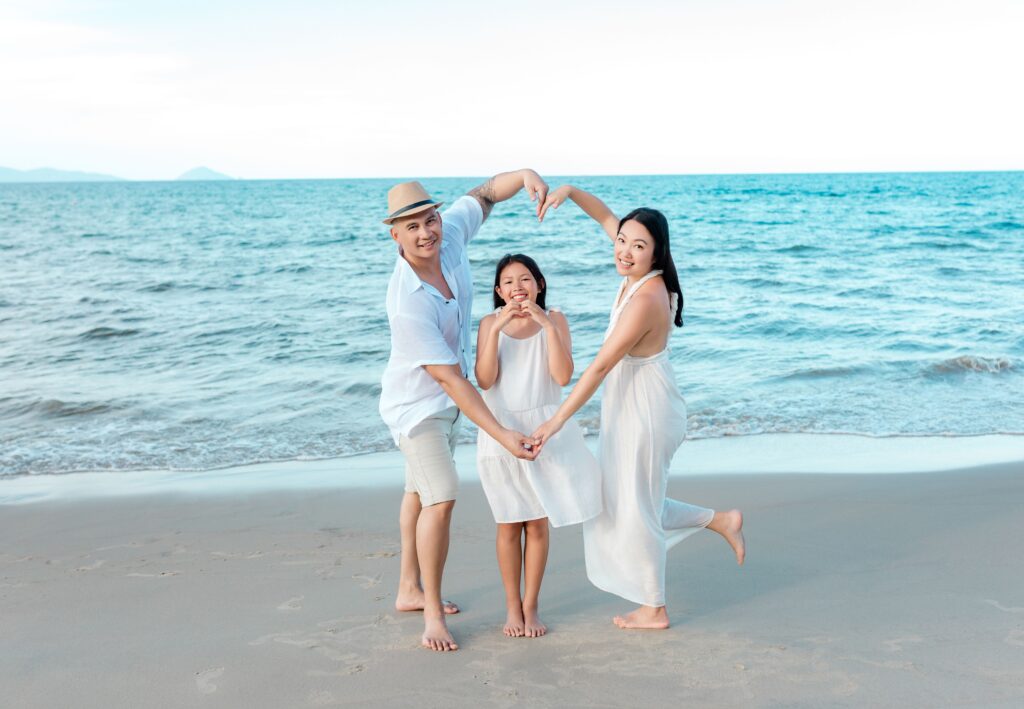
There is no single winner when choosing the best places in Philippines for families.
It depends on the nature of the holiday you enjoy and the age of your kids.
If you have young children
Select an area where it is easy to transfer and where there are family amenities.
Look for:
- Easy beach access
- Swimming pools
- Family rooms
- Nearby restaurants
- Shorter day trips
- Reliable transport
- Flexible meal options
If you have school-age children, more adventure can be added.
Think about:
- Island-hopping
- Snorkelling
- Wildlife experiences
- River trips
- Cultural attractions
- Easy nature walks
- Local food experiences
If you are travelling with teenagers, now is the time to make the trip an adventure!
Consider:
- Kayaking
- Diving or beginner friendly marine activities
- Surfing
- Longer island trips
- Photography
- Hiking
- Local food tours
- Exploring less-developed areas with a responsible guide
One of the beauties of travelling around the Philippines as a family is that the holiday does not need to be the same for all families.
Plan your Philippines family holiday around three key elements
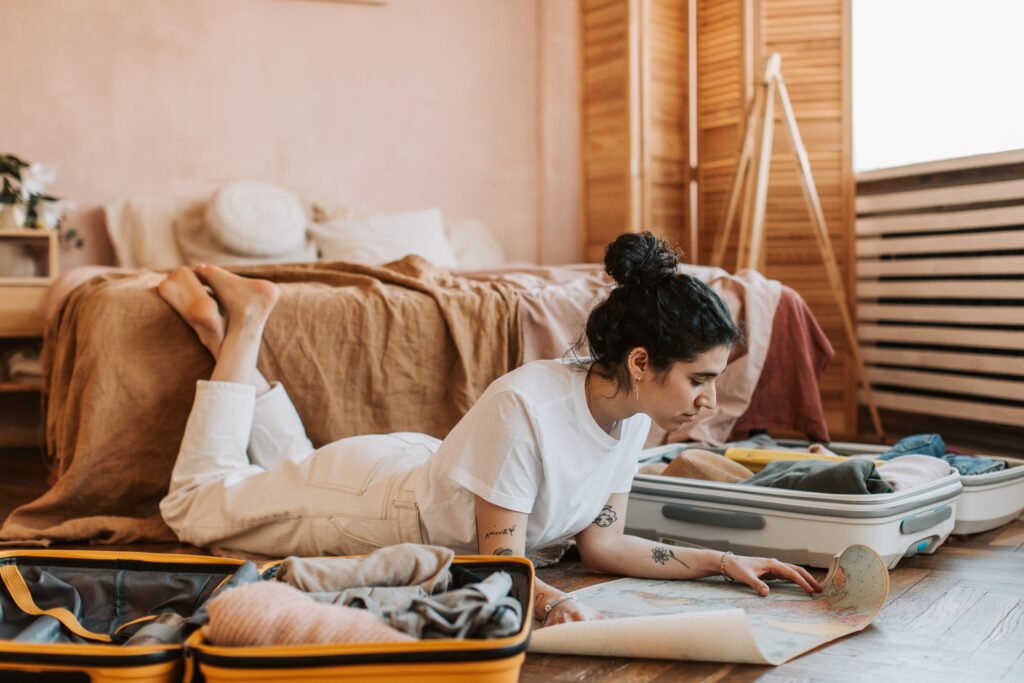
A good Philippines family itinerary doesn’t have to be complicated.
My advice is to think in three layers.
Layer one: the base
- Select a comfortable location that accommodates multiple nights’ accommodation.
Layer two: the adventure
- Include 1-2 memorable experiences.
Layer three: the breathing space
- Leave time for swimming, relaxing, eating together and doing nothing.
The third layer is the one many people tend to overlook. Instead of trying to pack in 5-6 destinations, for instance, 10 days holiday is more convenient to take Manila, Bohol and Boracay.
A different family may want to go to Cebu and Palawan and spend more time there. No rewards for most islands visited.
A 10-day family trip to the sample area
Here is an easy example for families who are looking for a balance of city, nature and beach.
Days 1–2: Manila
Arrive, rest and explore at a gentle pace.
Days 3–5: Bohol
Explore the countryside, visit the Chocolate Hills and have fun around Panglao.
Days 6–9: Boracay
Slow down. Enjoy the beach, have a family activity and watch the sunset.
Day 10: Travel home
Make it a simple day and make sure to have ample time to travel onward.
This is only a starting point. More freedom with a longer holiday, and with a shorter holiday, fewer places to choose from may be better.
What do families need to take?
- Comfort is the key to packing for the Philippines, as opposed to quantity.
- Bring light clothing, swimwear, comfortable shoes, sunscreen and a light rain jacket.
- Use a water bottle that is not disposable – especially if it’s a longer day out.
- Bring familiar snacks for trips on travel days for younger children. When everyone is exhausted, it’s easy to find many foods available locally, but it’s great when your child has something they already enjoy.
- Remember all necessary medicines that your family normally uses, as well as basic first-aid supplies.
- Another good use of a small dry bag is on a boat or for a day on the beach.
Then the most important thing:
- Pack some extra room in your suitcase.
- Consider bringing home Filipino treats, homemade gifts or something to remind you of your trip.
Food: let the children taste the Philippines
One of the easiest ways to make a holiday memorable is through food.
Filipinos have a wonderful mixture of sweet, salty, sour and savoury taste in their cuisine.
Try classic dishes like adobo, pancit, lumpia and rice is a staple food item every day, and tropical fruit is readily available.
If your child is afraid of new food, they can begin with familiar foods and then introduce new ones.
Food markets and local restaurants can also be a part of that. Don’t just say ‘try local food’, make it a little challenging.
- What is a fruit that you’ve not seen before?
- What is the most fragrant dish?
- What did you like best about your meal?
- Suddenly, lunch becomes part of the adventure.
If you need some inspiration before you travel, be sure to read through our Philippines travel guide and official updates from the Philippine Department of Tourism to find some more ideas on how to plan your trip.
Where should you stay with children?
One of the key considerations in planning is choosing accommodation.
The most budget-friendly room isn’t always the most convenient for a family when it comes to the restaurants, attractions or the beach.
Look at the practicalities before you sign up:
- Does the accommodation offer family rooms?
- Is breakfast available?
- Does the hotel have a pool?
- How far is the beach?
- Are restaurants nearby?
- Are arrangements for transport easy to make?
- Does the property have suitable facilities for children?
It’s possible to compare various types of accommodation. A resort could be perfect for families that would like everything within easy reach, and an apartment-style stay might be right for families who are looking for more room.
If you’re looking to find the best family resorts in the Philippines, you might want to consider the following:
When is the best time for a family holiday?
The Philippines is a tropical country, but weather conditions can differ from place to place, and can even cause plans to change for an island holiday.
The overall lack of rainfall is generally accepted as being a good time of year to take holiday, but with peak travel periods can also come higher prices and increased demand.
Rain and tropical weather may occur during the wetter months and impact flight, ferry and boat trips.
Flexibility is beneficial for families.
Try not to make an important transfer to or from an island on the same day as an international flight. If the weather or transport is delayed, it will be a much less stressful journey if you give yourself just a bit more time.
Please always check local weather and travel advice before travelling.
The family-friendly side of Filipino culture
Many travellers will remember the warm hospitality of the Filipinos the most while travelling in the Philippines.
This can be seen in the food, daily interaction with others, community festivals and in the everyday with those encountered.
Before heading out of town, teach some easy Filipino words to your children.
- Salamat is the word for thank you.
- Kamusta is used to say hello or how are you.
Simple actions can make a difference in making interactions more personal and warmer.
Help children see the good things – what is being cooked at the market, music from a nearby shop, families enjoying time together.
These details can educate them more about the country than a lengthy list of attractions.
Keep the adventure safe and comfortable
A quality family holiday need to be thrilling yet not rushed or threatening.
Respect local advice regarding sea, swimming and boat trips. Select trustworthy operators for organised activities and ensure it is an appropriate experience for children’s age and ability.
Protection from the sun is important in a tropical destination. Make sure children drink plenty of water; schedule breaks during the hottest hours.
If you plan to go out in the boat, find out the safety gear will be available and what the weather will be like.
Remember, travel insurance is particularly crucial when going on family tours. Ensure policy is appropriate to activities planned and includes all travellers.
Simple Planning Tips for a Stress-Free Family Holiday
I would do a few of the following before I left the UK
- Book the essential parts of your trip first – Make reservations for international flights and book any experience that will likely be booked up and accommodations.
- Do not over-plan – Plan for leisurely mornings and serendipitous finds.
- Check transfer times – It’s easy to get tired of a great place to visit if you must make a lot of trips in a day to get there.
- Keep children involved – Allow each child to select one experience or activity.
- Have a backup plan – Rain need not spoil the day. Consider museums, cafés, indoor activities or an off-the-cuff hotel time.
- Give yourself a final easy day – When everyone is tired, returning home is not so pleasant.
These little things can make a big difference when it comes to making a hectic holiday into a truly enjoyable family holiday in the Philippines.
where will your family story begin?
Maybe it starts on Boracay’s beach. Maybe your kids will be searching for the tiny tarsiers in Bohol, spotting colourful fish under the clear water of Cebu or gazing at the limestone cliffs of Palawan.
Maybe the most memorable thing you will want to remember is not a historic landmark. It may be a common meal in the morning, a funny scene on a boat. Everyone surprisingly loved this new Filipino dish.
Or the few silent moments when you all watched the sea swallow up the sun.
Planning a family trip Philippines adventure is more than just about finding the most famous destinations. It’s about providing sufficient room for your loved ones to enjoy the country your way.
In the case that you are still trying to find out where to stay in the Philippines, begin with the sort of holiday you desire and not just picking the most popular island. Then plan your route on comfort, connection and a little adventure.
Meanwhile, if you are looking for things to do in the Philippines, note that the most popular attractions and those with the longest waiting lines are not necessarily the best. Sometimes, it’s spontaneous moments that occur between places.
The Philippines is a country that has many islands. Just a handful of animals are enough to make a beautiful story!
Pack lightly, leave room for wonder and take the companions who make every journey worth remembering! Your next family story could be waiting somewhere between an island sunrise and a Filipino sunset.
Travel beautifully. Travel together. Fly to and from the Philippines with World Pinoy Flights.
FAQ
1. Is the Philippines good for a family holiday?
Yes. It boasts some of the best soft sand beaches, welcome hospitality, pools, pleasant nature walks and adventures for all ages on the island.
2. Which island is best to visit with young children?
Boracay and Bohol are ideal. Boracay has tranquil waters and accessible beaches, Bohol has straightforward trips to the wildlife and comfortable resorts in Panglao.
3. How many islands should a family visit on one trip?
Try not to visit too many islands on one trip as time can be wasted on getting there and getting back and if you visit too many the children may get tired.
4. When is the best time to visit the Philippines?
The drier months are best for family trips. This also minimises the risk of cancellation of flights, boat trips and time at the beach.
5. What is the most important packing tip for families?
Pack light, breathable clothing, comfortable footwear, sun protection, small dry bag for boat trips, and familiar snacks for travel days.
Source
ebooks
COUNTRY
DESTINATIONS
- https://www.youtube.com/watch?v=9URPQW4-Wio
- https://www.youtube.com/watch?v=cEbk7WcQ_xw
- https://www.youtube.com/watch?v=AkeJLZAZpW8
- https://www.youtube.com/watch?v=F8lo1N_ybhw
- https://www.youtube.com/watch?v=ncJIhVNqjCs
- https://www.youtube.com/watch?v=7LdEYkudOSQ
- https://www.youtube.com/watch?v=ve4w4XFdXrw
- https://www.youtube.com/watch?v=Jow2EhHWPsQ
- https://www.youtube.com/watch?v=xxUyQWWhJik
- https://www.youtube.com/watch?v=vcQrY54pI74
- https://www.youtube.com/watch?v=QYluBhEz8n4&pp=0gcJCT8MAYcqIYzv
- https://www.youtube.com/watch?v=1tI7AxMWgkg
- https://www.youtube.com/watch?v=027Sz55bSx0&pp=0gcJCT8MAYcqIYzv
- https://www.youtube.com/watch?v=XPQErsFd6Qo
- https://www.youtube.com/watch?v=S25ZHSPprVg
SHORTS