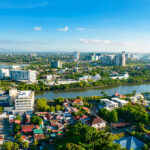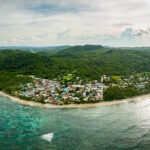
You might think when walking or strolling through the Philippines that the warmth of the sun on your skin is the least remarkable part of this country’s 7000 islands and beaches, However, when you visit the Philippines you will soon learn that its culture is contained not only within its stunning vistas, but also inside the everyday objects people create and use in their lives. Whether it is the clay pots smoking beside the road or the vibrant purple yam flowers weaving through the forests, you will find pasalubong, popular Filipino desserts, at the heart of every local scene.
Dessert or pang-himagas is not just a final course in the Philippines. It is both a sign of hospitality and a leftover of an intricate colonial history, and a glorification of the fertility of the land. We not only consume these sweets, but we also give them as merienda or pasalubong. Having a list of the most beautiful and soulful Filipino desserts you simply must not miss, I have been guided by the scent of coconut milk across the globe. Take a moment to relax, enjoy the fresh atmosphere of the tropical environment, and explore the sugary heart of the Philippines by sampling traditional Filipino pastries made for centuries from recipe to recipe. The best way to see and experience Filipino culture is by tasting the sweet treats that are such an important part of all Filipino parties/celebrations.
Having a list of ten most beautiful, unique, and soulful desserts you simply must not miss, I have made it through being on the other side of the globe and the scent of coconut milk, which has been the guide to the path I have followed. Sit down on a chair, breathe in the tropical air, and have a break in the sugar centre of the Philippines.
A Sweet Tour of Filipino Desserts
1. The Crown Jewel: Halo-Halo
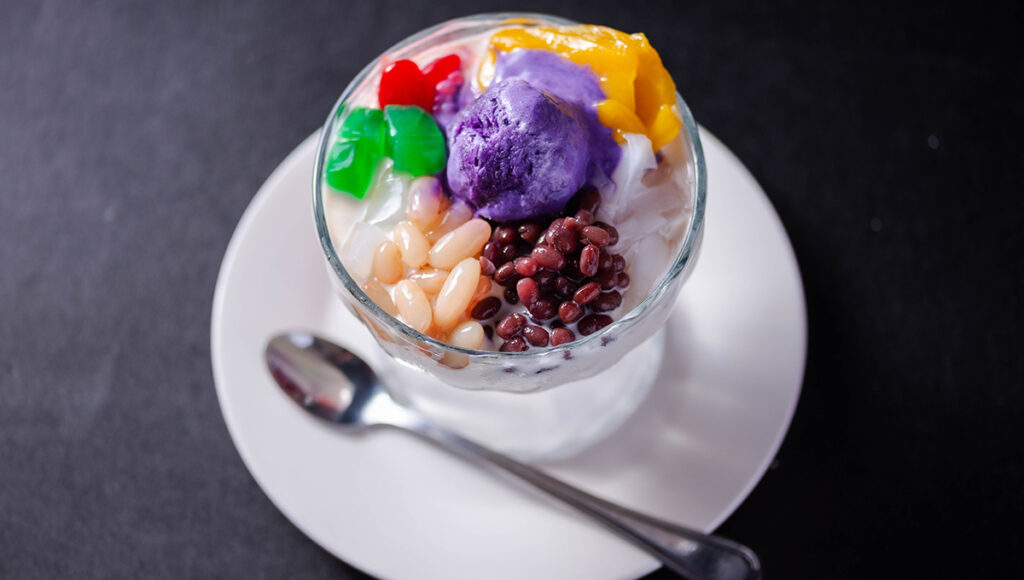
The Philippines would have been halo-halo, given that it was a Filipino dessert, as it perfectly represents the variety of the nation. It is actually called Mix-mix, and it is a breathtaking kaleidoscope in a glass. It is not a shaved ice sundae; it is a stratified history of the islands.
You will find it everywhere, in simple roadside shops or in luxury hotels. Down at the bottom, there is a treasure trove: sweet chickpeas, coloured jellies, transparent palm fruits (kaong) and strings of chewable coconuts (macapuno). Next follows a mountain of shaved ice, which has been dipped into creamy evaporated milk. It is served with a bright swirl of purple ube ice cream and a slice of golden Leche Flan. Among all Filipino desserts, this is the most iconic.
The Traveller’s Advice: Have no fears to ruin the beauty. You must mix it all in (halo-halo) till the ice is soft lavender, and each spoonful is a shock of sensations.
2. The Golden Velvet: Filipino Leche Flan
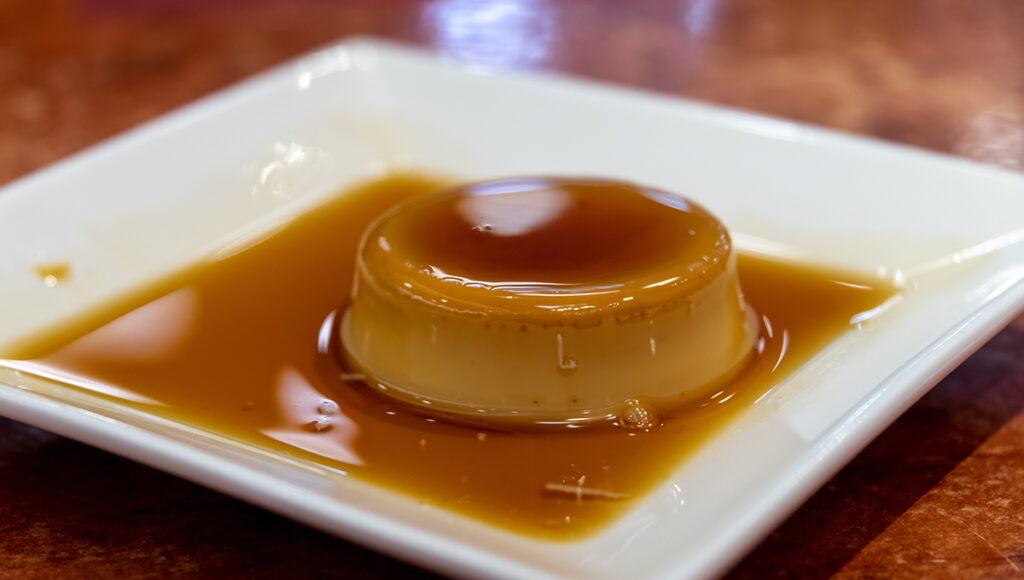
The leche Flan as we know it today was first introduced to us by Spanish explorers nearly 400 years ago. We can be proud of the uniqueness of the Filipino version of leche flan; it is not just a simple, light and fluffy like the most European versions, but rather it is dense, rich, and velvety. It remains one of the best Filipino desserts for any occasion.
The traditional way to create leche flan is by using a lot of egg yolks and a mixture of condensed milk to create its texture. The mixture is cooked in a round tin mould called a llanera. After finishing and cooling the flan, we put it on a dessert plate with a smooth, melt-in-your-mouth base and sparkling amber-coloured liquid caramel sauce over it. It is the pinnacle of celebration for Filipinos, as there is no celebration without leche flan!
3. The Royal Purple: Ube Halaya
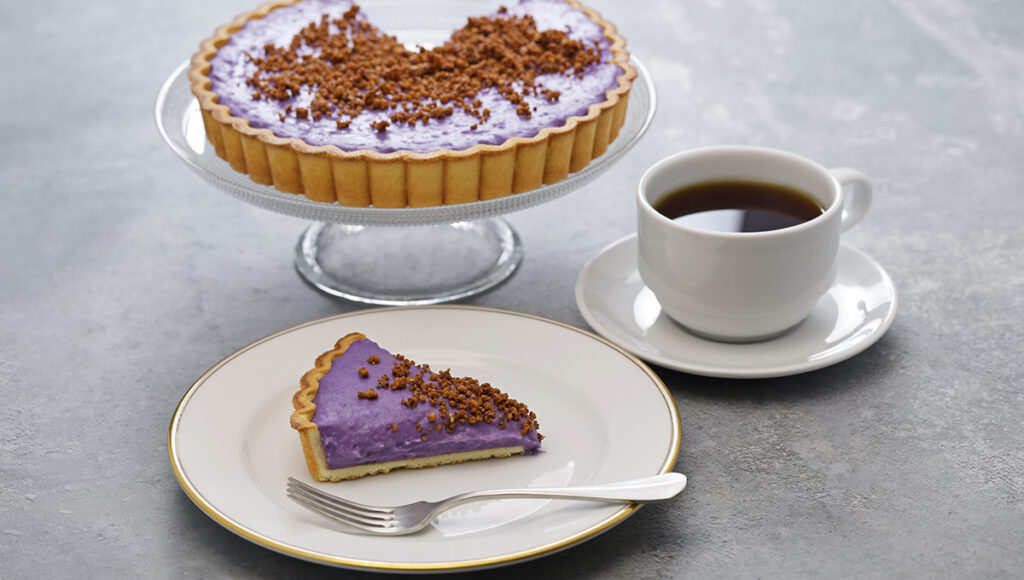
Ube Halaya is a symbol of all things Filipino because it is the purest expression of a sacred ingredient (Ube), which is grown for a full year. The process of making Ube Halaya requires patience and dedication, you take mashed Ube and mix it with coconut milk and butter, and cook it slowly on low heat, stirring constantly. This Filipino dessert is loved for its vibrant hue.
The final dessert looks like it was painted with bright purple paint and has a soft, nutty flavour that’s not too sweet. Ube Halaya can be enjoyed by itself or used as a filling for pastries and is considered the “Queen” of Filipino desserts. Many families guard their secret recipes for this purple jam, passing them down through the years.
4. The Smokey Morning Kiss: Bibingka
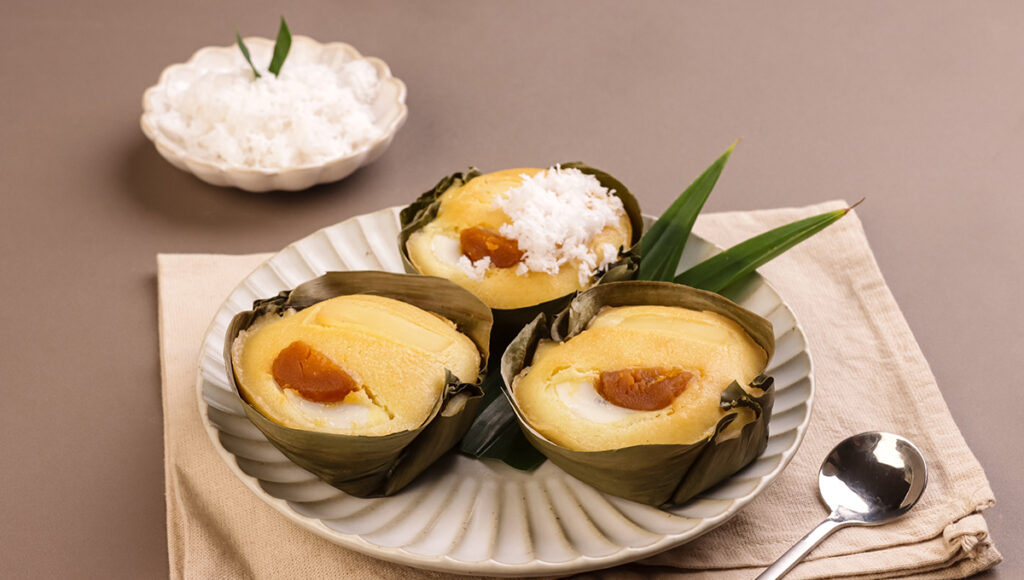
Imagine being awake in a little town that’s somewhere in the Philippines during Christmas. The weather is cool, and all you can smell is burnt banana leaves in the air. That’s the smell of bibingka (pronounced bee-BING-ka). This is one of the traditional Filipino desserts that brings families together. As noted by the Philippine Department of Tourism, these culinary traditions are essential to the Filipino travel experience.
Bibingka is a rice flour cake that is round and fluffy, cooked in banana leaves and made in a clay pot that is placed over hot coals. This method produces a cake that is sweet, soft, and smoky. To eat bibingka, it is topped with hard-boiled egg, shredded coconut, and brown sugar for a sweet and salty experience that warms your heart!
5. Buko Pandan: The Green Dream
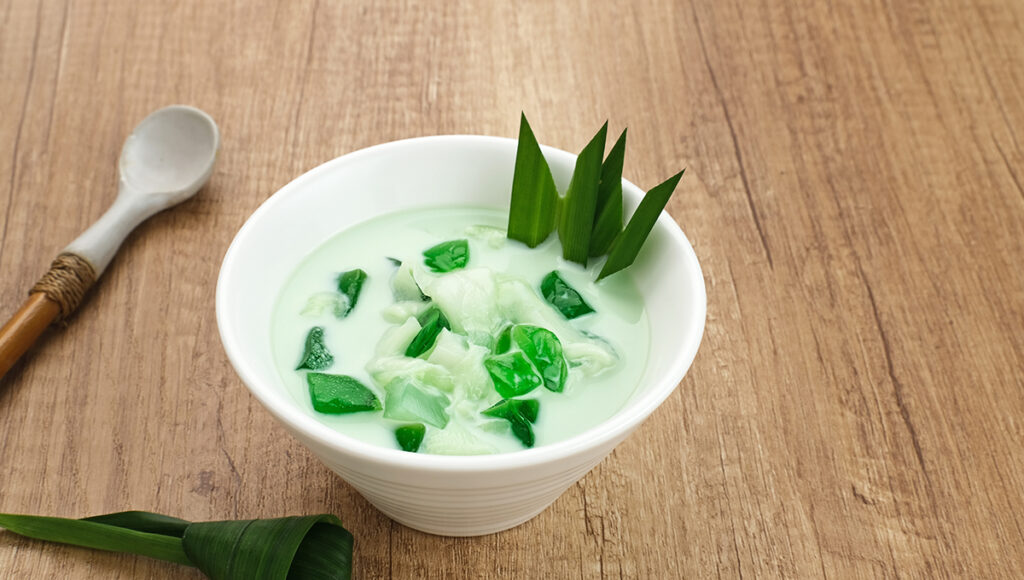
On a really hot and muggy day, nothing is more refreshing than Buko Pandan! This wonderful cold dessert uses two ingredients, young coconuts (Buko) and a sweet, green “grass flour” made from the leaves of Pandan (leaves that have a very pleasant smell). These green jelly cubes, which look like little emeralds, are mixed with tiny pieces of shredded-up coconut, all placed in a bowl filled with cold milk which has both sugar added to it and non-sweetened cold milk, creating a simple, cool dessert that conveys a tropical feeling in one bowl. For many, this is one of the most refreshing popular Filipino desserts you can find. It is a standout among other tropical desserts because of its cooling properties.
6. The Architect’s Delight: Sapin-Sapin
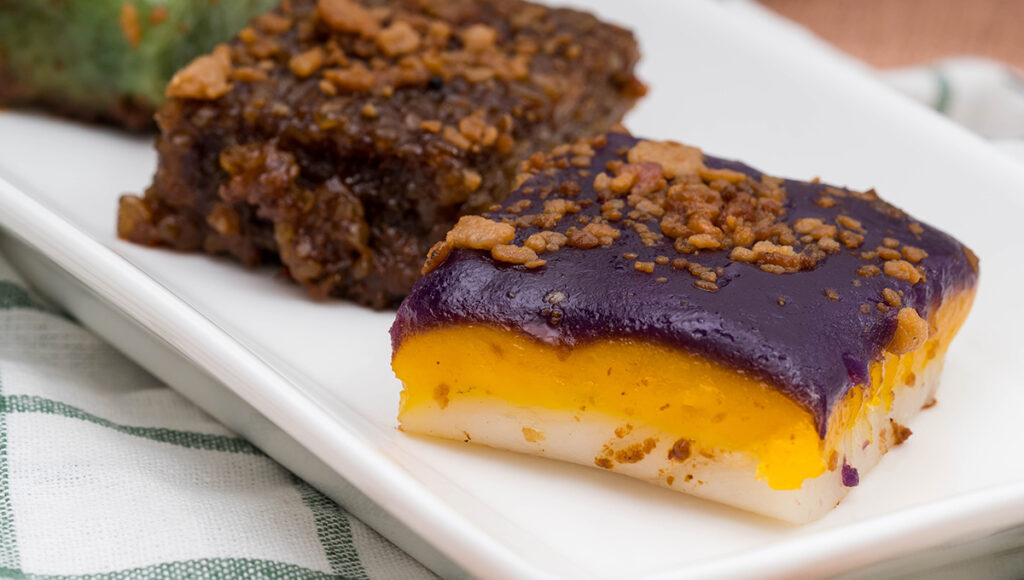
Sapin-sapin can mesmerise people who have a liking for art. The word sapin-sapin is a Tagalog word meaning ‘layered’. Generally, sapin-sapin consists of 3 different colours of glutinous rice: purple (ube), yellow (jackfruit), and white (coconut). Each colour represents its own flavour and texture, and it is garnished with latik (coconut milk curd) for a creamy, crunchy finish. It is the most complicated Filipino dessert, and it is one of the best Filipino desserts because of that. A chewy cake that has live colours and different layers showcases the Filipino people’s love of kakanin (rice desserts). Desserts like sapin-sapin are closely tied to local festivals in the Philippines
7. Turon: The Sweetheart of the Streets
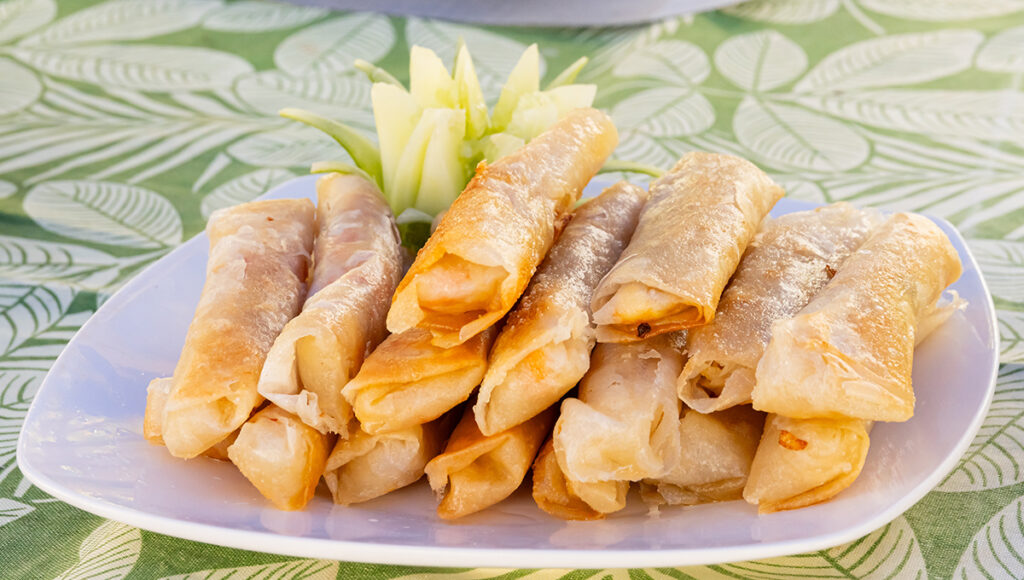
When you are visiting marketplaces throughout the city of Manila, or strolling quietly along the streets of Batangas, you might hear something sizzling in a frying pan. This means that you are encountering the delicious Filipino street foods found on every corner.
Turon consists of thinly sliced saba (a type of banana) and some slices of mango or jackfruit wrapped in a spring roll wrapper coated with brown sugar and fried in hot oil until the sugar has turned into a crunchy golden coating. Turon is a crunchy, hot snack that you will want to eat again and again. Adding vanilla ice cream makes it the perfect filipino desserts.
8. The Gentle Giant: Cassava Cake
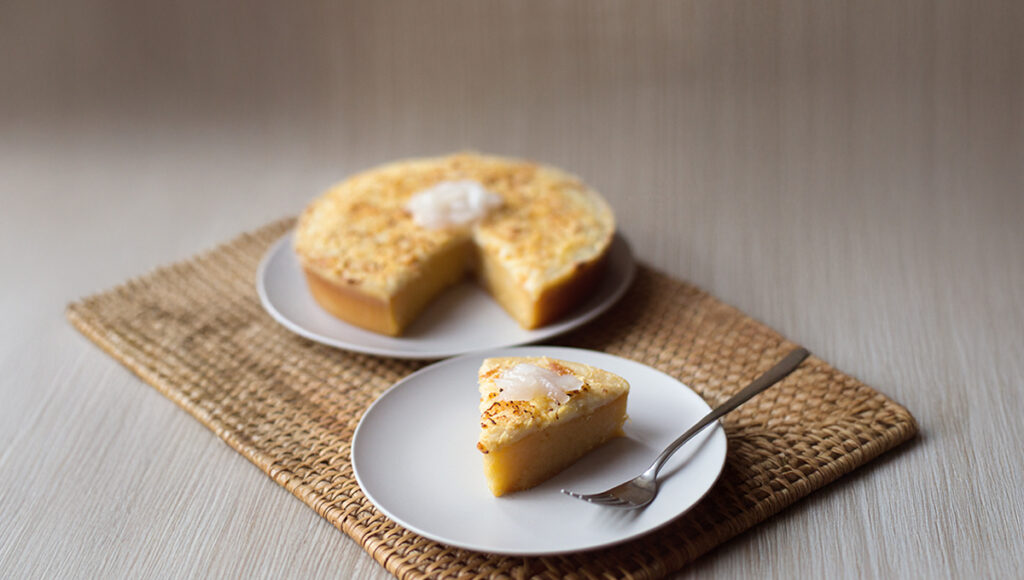
The cassava root originated in South America, more than 500 years ago, on ships known as ‘Manila galleons’ and is now one of the most popular foods. This Filipino dish is a staple at many gatherings.
The cake made of cassava (also known as cassava) is a moist and heavy cake with a slight elastic feel due to the shredded cassava mixed with coconut milk.
The custard topping sets this cake apart; normally, a combination of sweetened condensed milk and cheese is used. When this mixture is baked onto the cake, it forms an attractive mottled golden colour on top of the cake. It can be filling enough to satisfy hunger but sweet enough to make it feel like a treat, making it a perfect gift among Filipino desserts.
9. The Artisan’s Whisper: Sans Rival
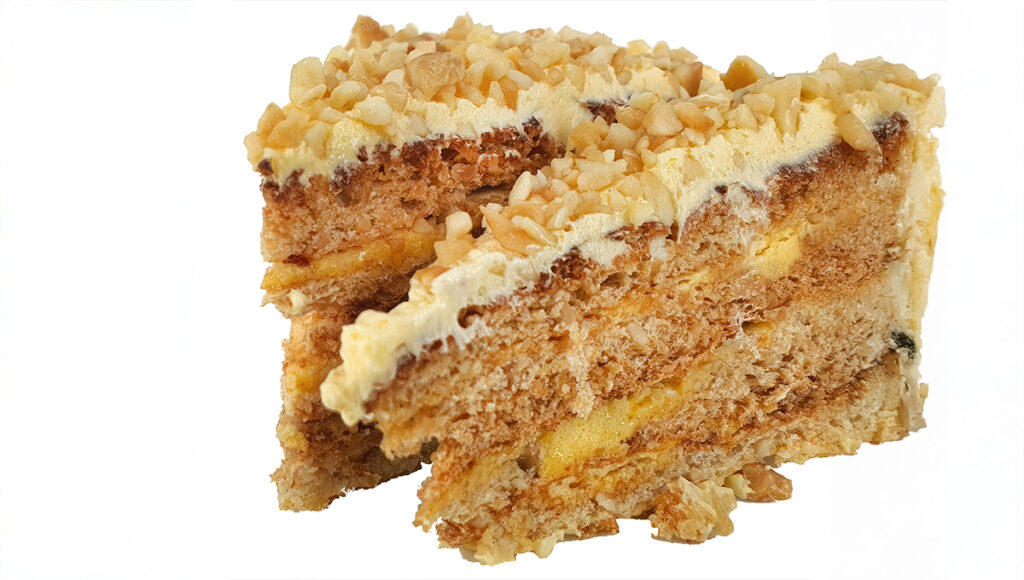
If you are looking for a sophisticated cake, try Sans Rival! It means “without a rival” in French, as it is one of the best filipino desserts cake available.
Sans Rival is a tribute to the French creation known as the component “Dacquoise,” a combination of chewy and nutty meringue (made from egg whites and sugar) held together by smooth and creamy buttercream. The cake has been enhanced with added layers of cream-filled butter with chopped cashew nuts mixed in; they provide additional flavour, crunchy texture, buttery smoothness, and over-the-top indulgence. In metropolitan areas, you will notice that upscale pastry shops sell this dessert because they demonstrate the refined side of Filipino desserts.
In metropolitan areas, you will notice that upscale pastry shops sell this dessert because they demonstrate the refined side of Filipino desserts.
10. The Morning Ritual: Taho
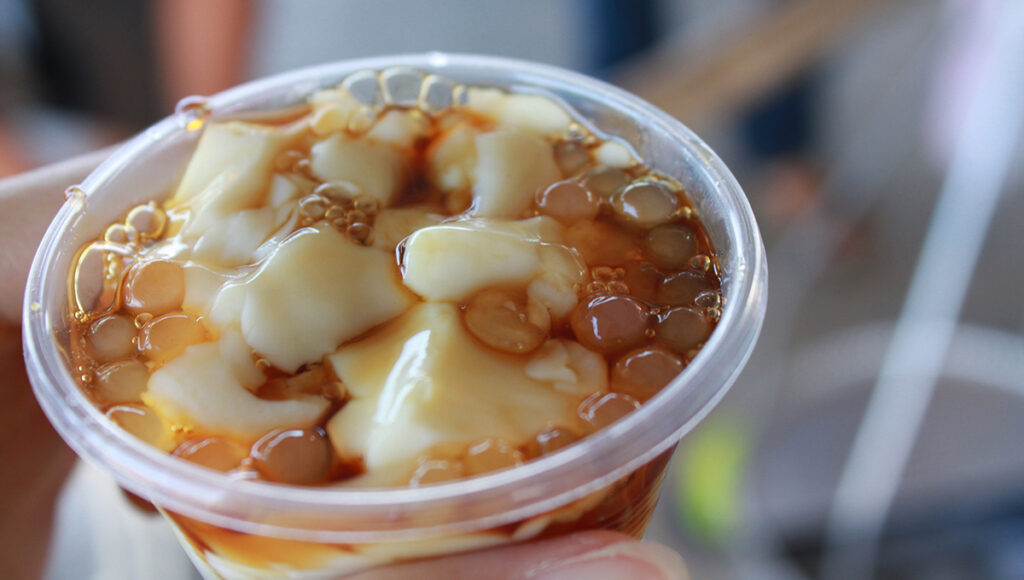
Taho is a food that is common in the Philippines in the morning. It’s typically eaten as a snack, but it’s also sweet enough to be a Filipino dessert. You will often hear the vendor sound out “Tahoooo!” which is how he calls out to customers. The vendor usually has two metal buckets on a long piece of bamboo.
One of the buckets is filled with soft, warm tofu, and the other bucket is filled with the syrup made from dark brown sugar, as well as some type of translucent tapioca pearls. The vendor uses a spoon to scoop out some of the tofu, puts the syrup on the top, and then adds the tapioca pearls. It is the best way to begin your day here in the Philippines because of its warmth and comfort around you. This is one of the many traditional sweets that bring a sense of nostalgia to every Filipino.
A Note to My Fellow Travellers
Each of the 7,641 islands has a unique culture and language, but one thing that is similar throughout is that the desserts are as varied as the languages. There are many different kinds of Filipino desserts, from the sticky heads of Kalamay in the north, to the sweet and savoury tastes of Durian in the south. Traditional Filipino desserts have a rich history that demonstrates the resiliency, creativity, and loving nature of Filipinos with respect to their enjoyment of the “sweet life”.
One of the best parts about Filipino food dishes is that it brings people together, especially during Philippines holidays when tables are overflowing with treats. If a local offers you a slice of Biko or a cup of Halo-Halo, please accept it. Sit down with the person and share a story because the sweetest part of the experience of eating Filipino desserts will be what you shared with that person, though it may also include the food. As you explore the islands, you will find many more popular Filipino desserts to enjoy. Discover your next culinary adventure with World Pinoy Flights.
Enjoy your travelling and Kain tayo (let’s eat)!!
FAQs about Filipino Desserts
What is the number one dessert from the Philippines?
Halo-Halo. As it is decorated with many colours and signifies the culture.
Are most of the desserts from the Philippines dairy-free?
Yes, as coconut milk (gata) is predominantly used in making them, rather than cow’s milk. Many now add condensed or evaporated milk.
Why are a lot of sweets from the Philippines purple?
Due to the use of Ube (purple yam), a soft potato-like food that is a common ingredient for desserts such as jams, cakes, and ice cream.
What does Kakanin mean?
A way to define a certain type of traditional Filipino dish, made almost entirely from sticky (glutinous) rice and coconut milk.
Where can you get Filipino Desserts?
Filipino Desserts can be purchased everywhere from a street vendor to local markets, upscale restaurants and any stores.