“The Philippines hits different when the journey is part of the vibe.”
Flights, ferries and Filipino adventures — let’s get into it!
One day, you’re chasing sunsets in Palawan. Then, you’re on the bustling streets of Cebu or enjoying the beach scene in Boracay. Each island offers a different experience and memories waiting to be made.
But the reality is that the Philippines has over 7,000 islands and finding your next destination is not the end of the journey. There may be a need to use a domestic flight to save time, a ferry to cross the sea or a jeepney ride to get a glimpse of the country as a local.
If you’re in a dilemma about how you can travel around the Philippines without making your travel plans complicated, you’re in the right place. World Pinoy Flights breaks down everything you need to know about domestic flights, ferries, local transport and airport transfers to help you to plan smarter, travel smoother and enjoy every island adventure.
Your next destination is calling. Let’s make travelling there the story.
1. Understand the Islands Before You Plan Your Route

The Philippines is an archipelago that is made up of islands separated by water. This is because transport is not the same as travelling across a country where there is one road system.
A trip that seems brief on a map could be an airplane, ferry or road trip. One could, for instance, get to a beach resort by airplane to another close island, then drive to a port and take a boat to the resort.
Hence, the first rule of traversing the Philippines is simple: do not plan only by distance, but also by geography.
The country is usually visited in three large island groups:
Luzon is the home of Manila, the capital region of the country, mountain towns, historic destinations and popular beach areas.
The Visayas, in the central Philippines, includes Cebu, Bohol, Negros, Panay and many other islands.
Mindanao, in the south, offers rich cultural diversity, waterfalls and beautiful coastal areas.
When choosing your destinations to visit, put them near each other as much as possible so you don’t make too many trips across the country. When planning a trip to Cebu, Bohol and Siquijor, for instance, check the flying options between the islands first before you book your room.
A well-planned route will save you time, will help you to manage your budget and will give you more time to enjoy what you are here for.
2. Domestic flights: When the sky is the smartest route!
The best way to start the adventure is sometimes out of the window of an aeroplane and watching the islands appearing under your feet.
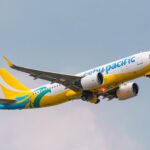
For those travelling between faraway areas of the Philippines, domestic flights are the most convenient option. This will save you precious holiday time, especially in case you have several islands to visit or have a limited number of days during your trip.
For many travellers, domestic flights in the Philippines present a more convenient option to link the major cities to popular holiday destinations.
Popular domestic flight routes to consider include:
- Manila to Cebu: Good way to get to Cebu City, local beaches and to go to other islands.
- Manila to Puerto Princesa: A common starting point for exploring Palawan, including road journeys towards El Nido.
- Manila to Boracay: Travellers generally fly to Caticlan or Kalibo before arranging the appropriate onward transfer.
- Cebu to Siargao: A route to explore if you’re heading to the beaches and relaxed lifestyle of Siargao.
- Manila to Davao: A convenient choice for those who want to visit parts of Mindanao.
Flight times, direct service and baggage allowances are subject to change, please check with the airline before booking.
The Airport Tip That Could Save You Time
Not all airports are used to travel to a location as you may expect. One such example is Boracay.
Caticlan Airport, also called Godofredo P. Ramos Airport, is usually the more convenient airport to arrive at, as it is closer to the ferries that arrive from the mainland into Boracay. Another route is provided by Kalibo Airport, but the onward road transfer will typically be longer.
Calculate the total distance of travel including the flight time, travel time to/from airport, time on the boat and any waiting time. Sometimes the cheaper ticket does not offer the fastest or easiest of travel.
Some booking tips: Make a large enough booking block, particularly if you are booking a domestic flight and then a ferry. If the first service is delayed, Keep it. It is clear and natural.
3. Manila Airport: Know Your Terminal Before You Fly
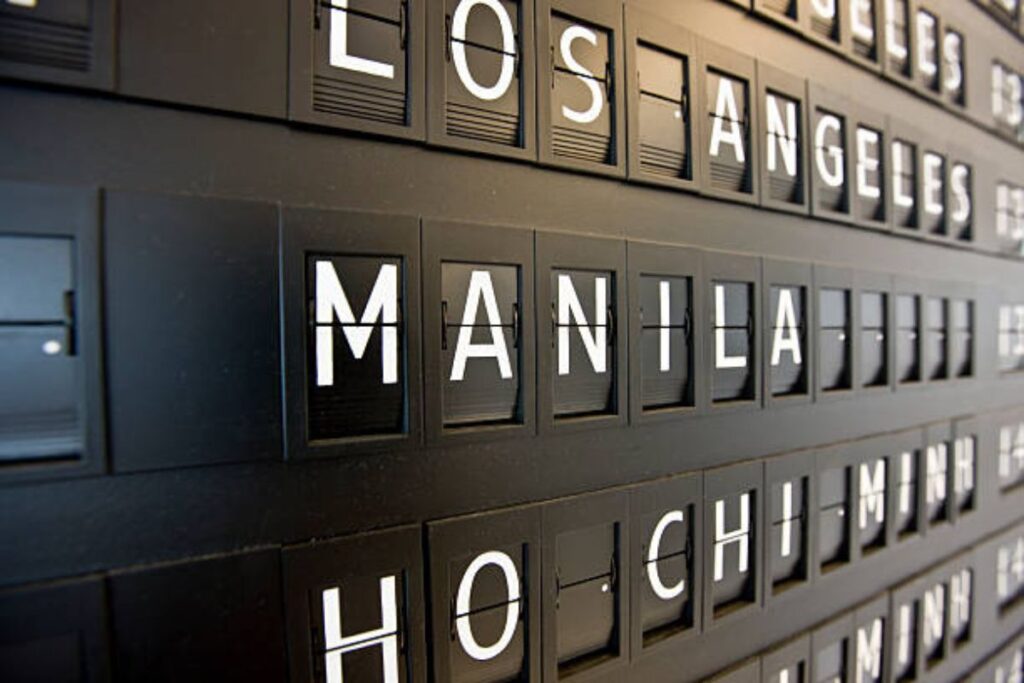
The city of Manila is a starting point of major trips around the country. But before you depart from your hotel, one thing should draw your attention: the airport terminal you are going to.
Ninoy Aquino International Airport (NAIA) may have multiple terminals and it is not advisable to assume as to which one all flights leave from.
On checking your ticket, check airline, flight number, departure time and terminal. If you do have a connecting flight, see where you will be landing and where the next flight will take off from. Remember that you might need to transfer between terminals and give the transfer some time.
If you’re looking to do some pre-work for your airport visit, our guide to NAIA terminals might help.
Here is a few useful reminders:
- Check your airline’s latest terminal information before travelling.
- Allow extra time for traffic when travelling to the airport.
- Find out if your next flight will need a terminal transfer.
- Observe the airport’s current check-in and bagging procedures.
- If you are flying separately, allow sufficient time to pick up your bags and re-register.
- Manila traffic can be unpredictable, particularly during busy periods. A journey that looks short on a map may take considerably longer by road.
When it comes to the question of how to get around the Philippines, do not forget that the trip to the airport is as important as the flight itself.
4. Ferries: The Island Hopping Experience Not to Be Missed
Helping you to travel by air, ferries let you experience the Philippines from the water.
Picture yourself standing out on the deck and enjoying the sea breeze and watching small islands poke out on the horizon. Many travellers make these crossings a part of the holiday experience itself instead of just a means to the next destination.
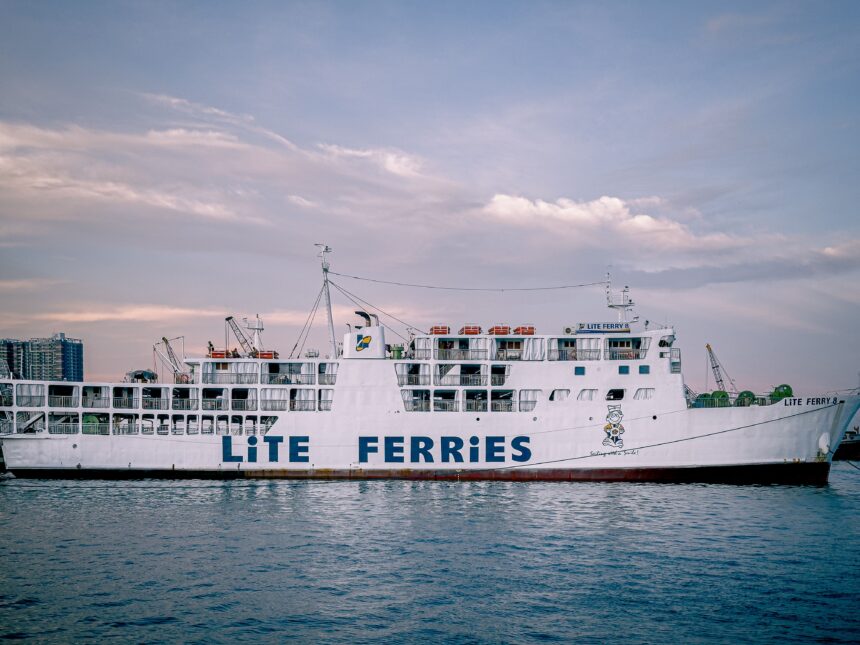
Ferries connect many islands and coastal communities across the Philippines. Fast craft, passenger ferries, vehicle ferries and longer overnight services will vary depending on the route.
Ferries can be a convenient way to travel between destinations such as Cebu, Bohol, Siquijor and Negros, depending on the available routes, departure ports and travel dates.
What to check before booking a ferry
- Departure port: Large islands might have multiple ports and your ferry may not depart from the closest port to your hotel.
- Journey time: Fast craft and conventional ferries can take different amounts of time on the same or similar routes.
- Bags requirements: Check the baggage allowance, overtime charges and any restrictions on your selected service.
- Conditions: Conditions such as rough seas and severe weather may cause delays, change or cancellation.
- Arrival arrangements: Be sure to know how to get from the port to your accommodation.
- If you are travelling on an overnight ferry, check the amenities that are offered for overnight travel, such as seats and sleeping facilities. If you must get there to be rested and ready to explore, a more comfortable option might be worth it.
A useful example: Manila to Boracay
One should know the trip from Manila to Boracay will typically require multiple modes of transportation.
The two choices for getting to Caticlan or Kalibo are by air and transferring to Boracay by road and boat. The exact route will depend on the airport, your arrival time and the transfers available.
Caticlan is the straight path to the island but Kalibo may be of choice to those who would find a better flight or fare.
When travelling with children, you might want to compare the convenience of the entire trip, instead of just the flight cost.
Traveller tip for the islands: Do not book a boat or airplane with a very short layoff between trips. The speed of arrival may be influenced by weather, queuing and traffic, so allow for time to adjust.
5. Buses, Jeepneys and Tricycles: Discover the Philippines Like a Local
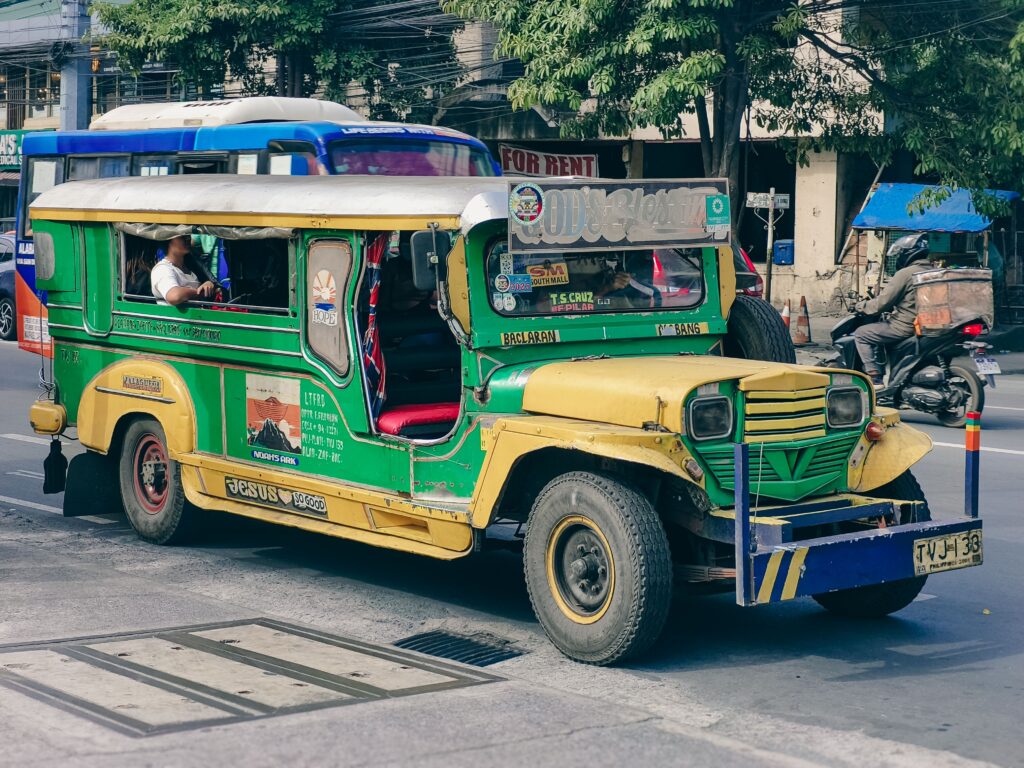
Not all journeys have to involve an airport or a port. Local transport is available once you have reached an island, to explore at a more leisurely pace.
In the Philippines, there are several common ‘public transportation’ options that help to make travel easier.
- Jeepneys – The colourful vehicles are an integral part of Filipino street life. They run on routes and in many cities and may provide a cheap transport option for short distances. If you are unfamiliar with the area, confirm the route and destination with the driver or conductor before boarding.
- Tricycles – Tricycles ridden by a motorcyclist are often found in towns and tourist areas. They are good for short trips to beaches, guesthouses, markets and local attractions. If the fare is not clearly stated or fixed, then agree on the fare before travelling.
- Buses – Buses connect many towns and cities, particularly on larger islands such as Luzon, Cebu and Mindanao. These can be useful if you are travelling long distances, but may take longer depending on the traffic conditions, road conditions and any stops in between.
- Taxi and application-based transport – In larger cities, taxis and ride-hailing services may be a convenient transportation option to the hotel, shopping and transport facilities. Some services may not be available in all areas, so please check about the services they run in the area where you will be staying.
- Motorbike hire – In some tourist places, it is possible to rent a motorbike, but it is not for everyone. Ride only if properly licensed, experienced and insured and when wearing an appropriate helmet. Research local regulations when hiring.
Local transport is all about the beauty of getting nearer to everyday life. You will be able to walk past a local bakery, see a fruit stand on the street or enter a local coffee shop.
But remember to always make sure you are safe, check fares and keep belongings safe.
6. What Is the Best Way to Travel Around the Philippines?
There is no single answer for every traveller. The best way to travel around the Philippines will vary according to budget, time, islands selected and holiday style.
Use this simple comparison to narrow down your options.
| Transport | Best for | What to remember |
| Domestic flights | Long distances and limited holiday time | Check baggage fees and airport transfers |
| Ferries | Connections between nearby islands | Confirm port locations and weather updates |
| Buses | Road journeys between towns and cities | Allow extra time for traffic and stops |
| Jeepneys | Affordable local journeys | Check routes before boarding |
| Tricycles | Short trips around towns and resorts | Agree on the fare beforehand |
| Taxis and ride-hailing | Convenient city transfers | Check availability and the estimated fare |
If you’re travelling for a short break, it is possible to fly between faraway destinations and have extra time to explore. Ferries, buses and other options can assist you in enjoying the country outside of the popular tourist spots, if you’re looking for a slower pace of travel.
When comparing transport options in the Philippines, consider the total journey. Add the ticket, the bags, the road transfer (where applicable) and the time required to get to the accommodation.
Keep it. It is a useful, natural phrase if it takes half a day longer or requires several difficult connections.
7. Three Sample Routes to Inspire Your Philippine Adventure

Planning a trip can sometimes be as simple as imagining what it will be like from day-to-day.
These examples are not set routes and should not be considered as such. Review the current transport schedule before booking.
Route One: Manila – Cebu and Bohol
From there take a flight to Cebu from Manila to explore the city, local cuisine and nearby coast. From Cebu, check ferry services to Bohol where you can see the Chocolate Hills, go to the countryside and to the beaches of the islands of Panglao.
This is a ride that allows you to fly and ride to the seaside without travelling the entire country.
Route Two: Manila and Palawan
From Manila fly to Puerto Princesa and then head to the rest of Palawan, depending on your plans, by road. You can also check flights to other airports that depart to the destination you’ve selected.
Palawan is a reminder that the first step to getting to the right island is only the first step. There can also be far distances between places on an island, so keep the locations in mind when making your hotel reservations.
Route Three: Cebu, Siquijor and Nearby Islands
Set off in Cebu and then research the existing ferry services to the islands of your choice. It may be necessary to change ports or make a sea crossing.
It’s perfect for those who crave beaches, laid-back island towns and a bit of flexibility.
Regardless of the method you opt for, be sure not to overpack your itinerary. A single day on an island might be better than another tiring transfer.
8. How to Plan Island-to-Island Travel Without Stress
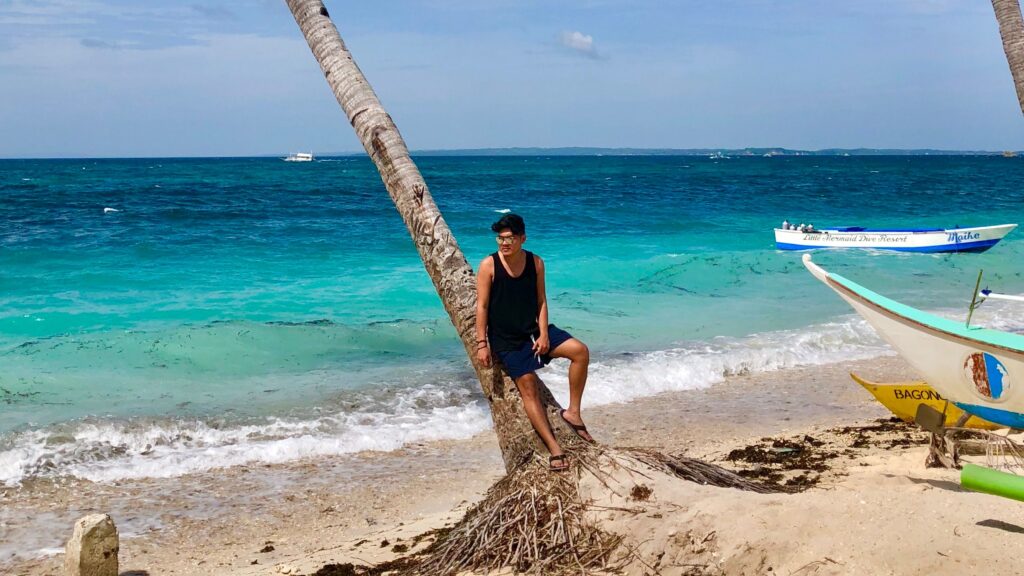
The key to planning successful island-to-island travel in the Philippines is to consider transport connections before choosing your attractions.
Whilst two destinations might be nearby on a map, getting from one to the other may be difficult due to transport options, port locations and weather.
Follow this action plan:
- Choose your main islands first. You don’t have to visit the whole country – choose places that are important to you.
- Check direct connections. Search for flights and ferries that fly your route on your desired dates.
- Create a map of the final section of the trip. Get transportation from an airport/port to a hotel.
- Allow for extra time. Have some flexibility with flight and ferry times when you have two separate bookings.
- Make necessary connections in advance. There may be increased demand for holidays, with less convenient choice.
- Group together important information. Save your tickets, accommodation addresses, terminal information and transport confirmations somewhere accessible offline.
It’s also good to follow up on weather forecasts and latest recommendations from your transport provider when travelling around the Philippines. Service may be subject to change in the event of a tropical storm or rough sea conditions.
Flexibility is important, but a little preparation can make flexibility more enjoyable.
9. What About the Philippine Travel Tax?
If you are flying from the Philippines to another country, you should know if you must pay the Philippine travel tax.
This is different from domestic transport fares. The travel tax is a tax imposed on some of those who are leaving the Philippines in accordance with the relevant rules and exemptions.
The payment depends on what category is applicable and if eligible. There may be special rates or exemptions for some travellers so be sure to check the official Tourism Infrastructure and Enterprise Zone Authority (TIEZA) guidance and not assume that all travellers are subject to the same rules.
Before your departure:
- Make sure that the travel tax is not included in your airline ticket.
- Establish if an exemption or lowered rate may be available.
- Discuss the existing payment system and the paperwork needed.
- If you pay separately, don’t throw away the payment proof.
- The most up-to-date details can be obtained from the official website of TIEZA Travel tax.
Allow time for loading and unloading at the airport and tax collection, if any, when connecting from a domestic flight to an international flight.
This attention to detail can help you complete your holiday without an unwarranted last minute rush.
10. Smart travelling tips for a smoother journey
A few small decisions can make the difference between a stressful travel day and a pleasant travelling experience.
- If possible, travel light. If you are travelling between islands by air, check your airline’s baggage policy before departure.
- Bring some Filipino currency. This can be helpful if you need to pay for smaller local transport trips and to places that will not take cards. Do not take any unnecessary items with you.
- Get maps and tickets. Mobile coverage may be limited in some areas, so save your tickets, maps and booking details for offline access.
- Confirm the day prior. See when you need to leave for your flight, ferry or bus and any changes from the operator.
- Choose accommodation carefully. If you stay near a useful port/airport/transport hub it may save you time and money especially if you are short on time.
- Keep your travel papers safe. Store passport, traveller’s confirmations and contact information in a safe, easily accessed location.
- Respect local communities. Listen to local advice, utilise licensed services if needed and be nice to the individuals who assist you along the way.
These basic things will make getting around the Philippines easier, be it for a solo traveller, visiting your family, or enjoying a long overdue tropical getaway.
11. Make Every Journey Part of the Story
Savour the Philippines, traveller, and don’t rush through it to prove you’ve seen it all.
A place where one island will delight you with a secluded beach, another with a bustling market, and a mere ferry trip is a memory you’ll take home long after you’ve left the holiday season.
The best trips have room for the surprise! You may stumble upon a local favourite you can’t get enough of, get to know a person who has a secret favourite beach, or see the sunset while waiting for your next connection.
It’s the fun of travelling around the Philippines. Every different location is a new place to find out something new.
A combination of domestic flights, ferries and local transport can help you explore the Philippines at your own pace and within your budget. Make important connections, pre-plan, and allow yourself time to slow down when it’s a place that gets you excited.
We at World Pinoy Flights know that a great holiday starts well before you arrive at your holiday destination. It starts with understanding your choices, knowing what to do and being excited about the process.
Therefore, Mabuhay, dear travellers! The Philippines adventure awaits you. Select your island destinations, chart your course and allow each adventure to take you one step into the heart of the Philippines.
The next great island adventure might be a flight or ferry ride away.
FAQ
1. How to get from one island to another in a long distance?
Domestic flights are the quickest and easiest way to travel over long distances.
2. Is it necessary to make ferries and flights far in advance?
Yes, booking in advance guarantees you the best time and prevents delays in connection times.
3. What is the best airport to take flight to Boracay?
Take the shortest and most direct flight to Caticlan Airport where you can board the ferry to the port.
4. How to pay for local transportation such as jeepneys and tricycles?
Always have small amount of cash in Philippine peso; cards are not generally accepted.
5. Do I need to pay the Philippine Travel Tax on domestic flights?
No, travel tax applies only to international flights from the Philippines.
Source
ebooks
COUNTRY
DESTINATIONS
- https://www.youtube.com/watch?v=9URPQW4-Wio
- https://www.youtube.com/watch?v=cEbk7WcQ_xw
- https://www.youtube.com/watch?v=AkeJLZAZpW8
- https://www.youtube.com/watch?v=F8lo1N_ybhw
- https://www.youtube.com/watch?v=ncJIhVNqjCs
- https://www.youtube.com/watch?v=7LdEYkudOSQ
- https://www.youtube.com/watch?v=ve4w4XFdXrw
- https://www.youtube.com/watch?v=Jow2EhHWPsQ
- https://www.youtube.com/watch?v=xxUyQWWhJik
- https://www.youtube.com/watch?v=vcQrY54pI74
- https://www.youtube.com/watch?v=QYluBhEz8n4&pp=0gcJCT8MAYcqIYzv
- https://www.youtube.com/watch?v=1tI7AxMWgkg
- https://www.youtube.com/watch?v=027Sz55bSx0&pp=0gcJCT8MAYcqIYzv
- https://www.youtube.com/watch?v=XPQErsFd6Qo
- https://www.youtube.com/watch?v=S25ZHSPprVg
SHORTS