Figuring out what to pack for Philippines trips stresses travellers out way more than it should. We have witnessed all the packing calamities that you can imagine at World Pinoy Flights, some travellers arriving in winter coats (it is tropical, guys), other travellers wearing nothing more than swimsuits (you will need real clothes as well), and others who seem to have totally forgotten about the existence of sunscreen. We have turned this into a science after having booked thousands of flights and actually listened to what did and did not work.
The point is, the Philippines is not a single climatic area or a single kind of adventure. A Boracay beach holiday requires alternative items as compared to Banaue hiking. Packing during the dry season does not resemble rainy season packing. Your Philippines holidays deserve better than showing up unprepared. And this is all that you really want: a list of things you actually need, as reported by travelling travellers, and with far too many ‘I wish I had brought…’ regrets.
The Non-Negotiables
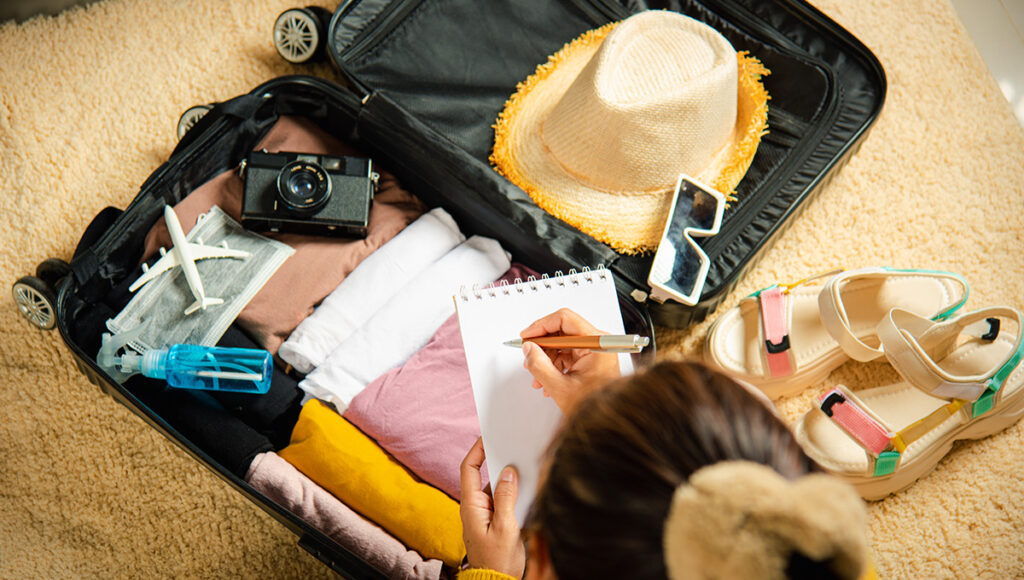
Before we get into specifics about what to pack to the Philippines for different scenarios, let’s cover what everyone needs regardless of season or destination. These are those things that make or break your trip.
Absolute essentials:
- Sunscreen (SPF 50+) – The tropical sun is going to kill you. Doesn’t matter if it’s cloudy. Doesn’t matter if you ‘tan well’. Bring it. Reapply constantly. This is the best reason why this is the topper of all World Pinoy Flights packing lists.
- Insect Repellent (DEET-based) – The mosquitoes in the Philippines are violent. Dengue’s a real concern. Natural repellents fail; use DEET or Picaridin. Apply in the evening, particularly.
- Quick-Dry Clothing – It is vile humidity. Ordinary cotton will never dry up. Underwear, shorts, and shirts that dry quickly are in a league of their own. Washing clothes is affordable, and yet they have to dry in a hurry.
- Beach Walking Reef-Safe Sandals or Water Shoes – Rocks, coral, or sea urchins are likely to be encountered during entry. The cheap flip-flops at the airport will not be sufficient. Get proper water shoes.
- Waterproof Phone Case – The day includes water boat rides. Rain occurs unexpectedly. Guarding your phone is not a choice. Dry bags work too.
- Lightweight Rain Jacket – Although it is in the dry season, there is always a sudden rain. Umbrellas are inconvenient when commuting. This can be solved by having a packable rain jacket that does not occupy a lot of space.
What to Pack to Philippines for Every Season
Packing in Dry Season (December to May)
Most travellers book their Philippines holidays during the dry season – a smart move for weather. When travellers ask what to pack to Philippines for this period, we emphasise sun protection and breathable clothing. It is hot, humid, and sunny nearly every day.
Dry season specifics:
- Several swimsuits – You can never have enough when you are visiting the beaches in a day. Owning two is like being dry every time.
- Wide-brimmed hat – Baseball caps do not cover your ears and neck. Get something more real brim coverage.
- UV protective sunglasses – The light reflected on water and sand is fierce. The cheap gas station sunglasses will not be helpful.
- Air-conditioned areas – Restaurants, malls, buses turn on the Air torture. A light cardigan/long-sleeve shirt will keep you out of the cold.
- Breathable loose clothing – Linen, cotton, or moisture-wicking. You should not keep tight jeans in the 90-degree humidity because it is a misery that you should avoid.
Packing for the Rainy season (June to November)
When travellers ask about what to pack to Philippines during the rainy season, we’re honest, it’s trickier. You are required to protect yourself against the sun, though it does not always rain. But when it does rain, it pours. We explain to travellers at World Pinoy Flights: be ready to have the best and the worst. For more trip planning tips during this climate, see our detailed guide on the best time to visit the Philippines
Rainy season additions:
- Good rain garments – It is not just a jacket. When doing outdoor activities, consider rain pants. It is worth being dry when it comes to comfort and health.
- Waterproof bags – Dry bags. Waterproof bags with electronics, important documents, and spare clothes. Normal bags do not keep off tropical rain. Extra socks/underwear – Items take longer to dry during the rainy season. Pack excessively more than what you believe.
- Closed-toed footwear- sandals are nice until the streets get flooded. It helps to have a pair of fast-drying sneakers.
- Anti-fungal powder – Fungus is a problem that can be caused by the combination of wetness and heat. It is easier to prevent than to cure.
Island Hopping and Beach Essentials

Most Philippine holidays involve island hopping at some point. Palawan, Coron, El Niño – such tours are highlights, but require special equipment. The question of what to pack to Philippines for island tours comes up constantly at World Pinoy Flights. If island hopping is your priority, explore our list of the best islands in the Philippines to help you narrow down the top spots.
Island hopping must-haves:
- Reef-safe sunscreen – Common sunscreen kills coral. A lot of sea parks are in need of reef-safe formulas. Purchase it in advance – in tourist spots, it is costly. Snorkel gear (not a necessary but an advisable item) – Tours include snorkel gear, but loaned out masks tend to leak. Good fit and hygiene is ensured by your own set.
- Rash guard or swim shirt – Protecting from the sun when swimming. Much better than applying sunscreen every time in water.
- A dry bag (at least 20L) – This is because boats get wet, waves occur, and things get wet. Keep off valuables, towels, and a change of clothes.
- Reused water bottle – Island tours take the whole day. Water is normally available on tours, but it is good to come with your own. There are refill stations in some locations.
City Exploration Gear
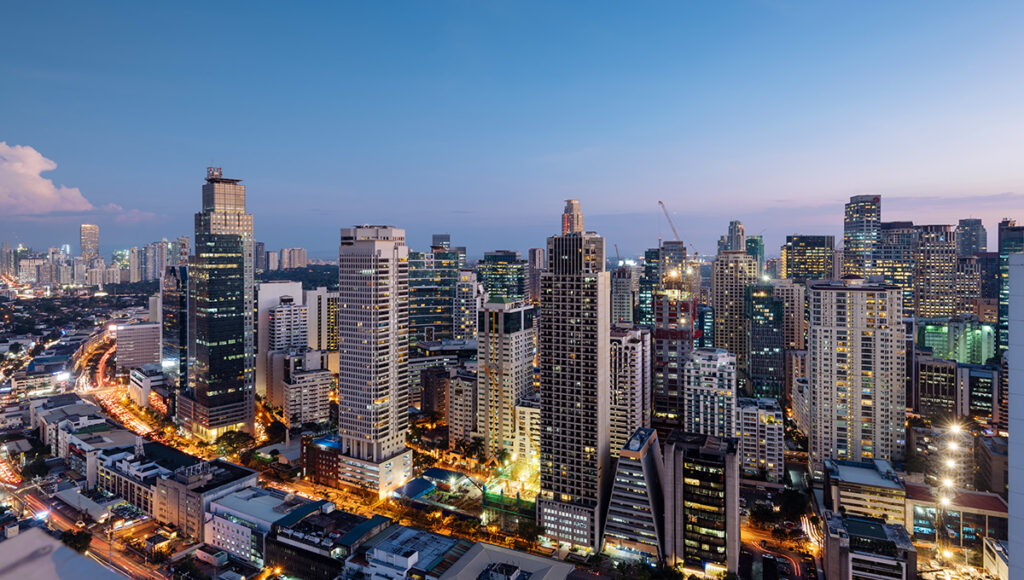
Manila, Cebu City, and Iloilo, urban Philippines, do not require the same packing strategy. When discussing what to pack to Philippines for city time, we tell travellers to think less ‘beach holiday’ and more ‘hot urban environment with unpredictable infrastructure’.
City essentials:
- Soles – Sidewalks are uneven. The lengths of distances are greater than the distances that appear on maps. Your feet will despise you when you omit this.
- Small anti-theft daypack – Pickpocketing is a problem in busy locations. Hidden zippers and slash-proof bags give assurance of safety.
- Church and mall-going modest attire – the Philippines is conservative. Tanks and shorts are best at the beach, but carry along nice clothes in case of an urban visit.
- Portable phone charger – It eats battery in maps, photos, and making calls with Grab. Bring a powerbank of 10,000mAh or above.
- Hand wipes and sanitisers – Facilities are not available everywhere. The wonders of street food are marvellous, and hand-washing is not always convenient.
If you’re exploring major cities like Manila or Cebu, take a look at our guide to famous spots: tourist attractions in Manila.
What Not to Overpack
Here’s what we tell World Pinoy Flights travellers who stress about what to pack to Philippines – you don’t need as much as you think. The Philippines has stores. Laundry’s cheap. There are things which are simply dead weight.
Skip these:
- Overdressing – You know you are going to wear the same few clothes anyhow. Services in laundry are between 1-2 per kilo. Pack light, wash as needed.
- Towels – Hotels provide them. Beaches rent them. Towels are a waste of packing space except when camping.
- Books – Digital everything. Your cell phone or e-reader weighs less than that of a paperback.
- Fancy jewellery – You are not going to wear it. If you do that, you run the risk of loss or theft. Leave your valuables at home.
- Hair dryers and styling devices – All attempts to style the hair are defeated by the humidity in a few minutes. Embrace the natural look. The vast majority of hotels already have dryers.
But before flying, make sure to complete your arrival registration through the Official Philippine eTravel Portal.
The Reality Check
After years of fielding questions about what to pack to Philippines, we’ve noticed patterns. Either travellers pack excessively or appear totally unprepared. The middle ground is something that one has to find out through experience, be it your own or through other persons who have been through that experience.
The Philippines is lenient in others, with cheap shopping, hassle-free laundry, and friendly people. Tropical weather, coupled with the infrastructure on an island, poses some obstacles that you would never imagine. Knowing what to pack for Philippines specifically for this environment prevents the common mistakes we see at World Pinoy Flights – sunburns that ruin trips, wet electronics, and uncomfortable shoes that limit exploration.
Your Philippines holidays should be about experiences, not dealing with packing failures. Pack the right things, pack them well and devote your psychological energy to enjoying this amazing country. That is what we will wish all travellers who use World Pinoy Flights to get is headaches that are free of issues and uneventful journeys. Packing is the key, and all depends on it.
FAQs about what to pack to Philippines
Is it possible to purchase what I forgot when I am there?
Yeah, mostly. All these are available in Manila and big cities, drugstores, sporting goods stores, and clothing stores. Tourist destinations are basic yet at tourist prices. Remote islands? Limited options. What we recommend about our World Pinoy Flights: pack necessities (sunscreen, medications, certain equipment), purchase convenience items in the country in case of necessity. Forgot shampoo? No problem. You forgot your prescription drugs? That’s a bigger issue.
What is the best way to pack to have more luggage space?
Washing clothes instead of ironing – it saves room and eliminates wrinkles. Packing cubes to organise and compress. Wear your heaviest things on the aeroplane (shoes, jacket). Heavy objects: Things that are heavy should be positioned close to the wheels of your suitcase. Take socks and little things and fill shoes. Frankly speaking, underpack rather than overpack it – you are likely to get souvenirs, anyway.
Should I have vaccinations or special drugs?
See your physician; however, general suggestions are Hepatitis A, Typhoid and having regular vaccines. There are very few risk areas of malaria in most of the tourist places, but there is a risk of dengue, which is transmitted by mosquitoes – the reason behind the use of DEET. For official medical guidance, consult the CDC Traveller’s Health Guide for the Philippines. Carry prescription in original containers. A basic first-aid kit is intelligent: Pain relievers, antihistamines, anti-diarrheal, band-aids. Do not take tap water, bottled water is cheap and ubiquitous.
What electronics and adapters should I bring to the Philippines?
The Philippines has Type A, B and C outlets (as in the US) at 220 V. Most modern US electronics support 110–240 V. But bring an overall adapter in case you are travelling elsewhere. Power strips are handy when carrying a number of gadgets. Think about the voltage converter of hair appliances in case yours does not have dual voltage, but the humidity makes hair styling a useless endeavour.
Will I need to pack differently when I am travelling with children?
Absolutely. Whatever we say, but times three – children wear out clothes in the heat and humidity. Then lug in snacks in case of picky eaters. Additional sunscreen and insect repellent (child-safe versions). Even more crucial are water shoes and rash guards among children. Travelling time entertainment – downloads, colouring material, whatever will keep them engaged. First aid kit containing children’s medicine. Stroller? Skip it. Baby carriers are more efficient on hilly grounds. Most importantly, reduced expectations. It is tiring to travel with children in the tropical climatic conditions. Arrange more convenient days than on your own.