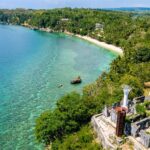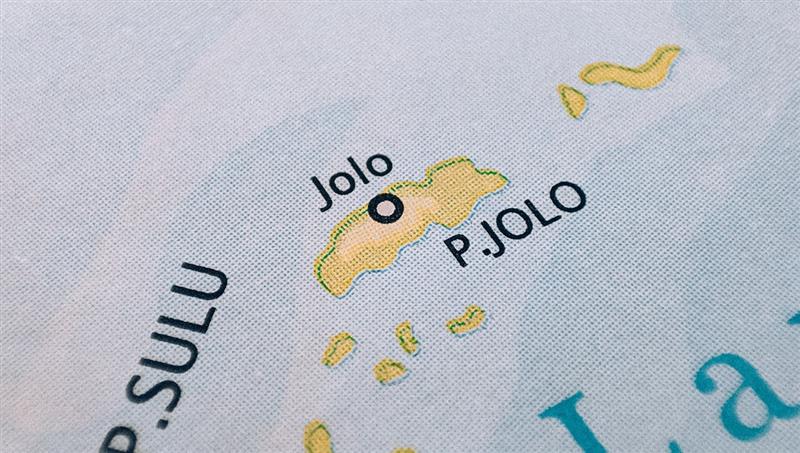
Welcome, seeker of the unseen. You must have wandered to this guide because your heart pumps to the trail less travelled, and your soul is longing for the tales told by the wind in windy places of the world that people tend to forget. If you are wondering is Jolo Island safe to visit, you have come to the right place to understand the nuances of this storied land.
I am asking you, today, to go to the Sulu Archipelago, a necklace of emeralds on a sapphire sea. At its heart lies Jolo Island, Philippines. It is a site of strong undertones, literal and historical. You have come to me, as your guide, to strip away the curtain of misunderstanding and reveal to you the Jolo which has seen the sunrise many thousands of times, old sultanates and a soul which is as immortal as the volcanic earth upon whose feet it stands. Many travellers wondering is Jolo Island safe to visit will find that with the right preparation, its beauty is unparalleled.
The Soul of the Current: Or Realising Jolo.
Jolo (pronounced as ‘Hola’) is a name that is derived from the Tausug meaning of ‘current’. This island is to be interpreted in terms of the flow, the ebb and flow of the tides, bringing with them the smell of salt and agar-agar, and the flow of history that transformed an inconspicuous port into the home of the mighty Sultanate of Sulu. For those researching Jolo Island, Philippines, this history is the foundation of everything you see. And the Tausug, the Children of the Current, are the courageous and friendly inhabitants of this country.
Once you arrive at Jolo Island, Philippines, you are not going to a geographical site, but rather you are going into a living museum of the Islamic heritage in the Philippines. The homeland of the earliest sultanate of the country, the sea empire that was trading pearls and spices with such great countries as China and Arabia, when the colonial sails had not yet heard of her existence.
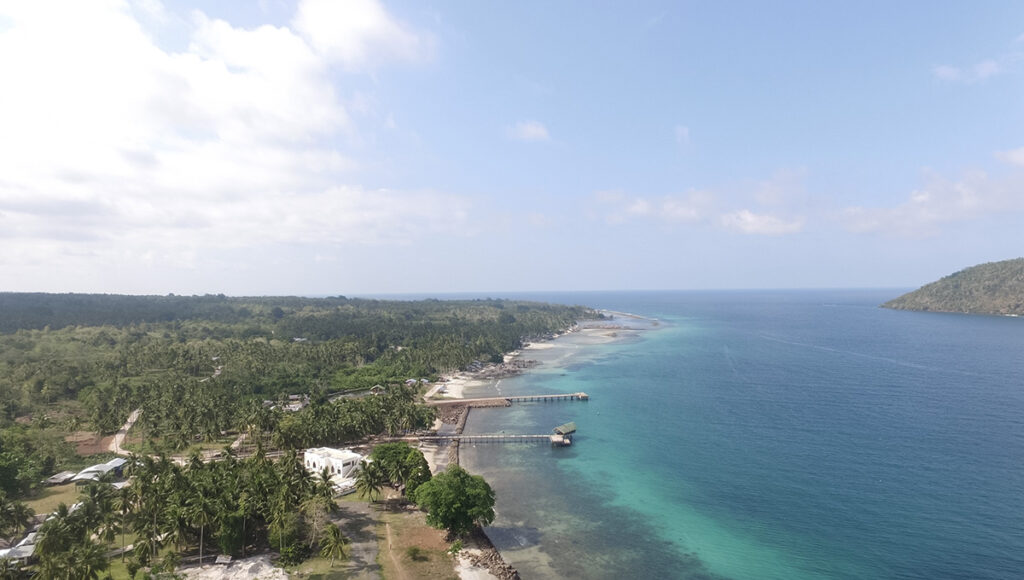
Where to Lose (and Find) Yourself: The Landscape of Dreams.
Jolo is not a place to be in a hurry. It belongs to those who love the unpolished and the untamed. It is a vital stop for those learning how to island hop in the Philippines beyond the typical tourist tracks.
1. The Capitol Golden Domes of the Province.
Sulu Provincial Capitol might as well be your starting point in Jolo town. It is not a normal government building. It is a premier attraction. The use of Moorish architecture, the glittering white walls, and the golden domes glittering with the tropical sun make it look more like a palace of a forgotten legend. It is the pride of Jolo Island, Philippines, and it is a magnificent backdrop for your first exposure to the local culture.
2. Sulu National Museum of the Philippines.
To gain a real concept of this archipelago, it is necessary to visit the National Museum of the Philippines, Sulu. This branch of the National Museum is located in the historic provincial jail building, and it is the home of the rich ethnographic and archaeological heritage of the region. In this case, the artefacts tell one about the past glory of the Sultanate, ancient sea ships, and the fine craftsmanship of the Sulu people, giving any traveller the required background to explore the island of Jolo Island, Philippines.
3. The Sleeping Giants: Bud Dajo and Mount Tumatangas.
The island is volcanic in nature, which has been shaped by the fires of the earth. Bud Dajo is a cinder cone volcano, which is one of the silent monitors of the turbulent history of the island. In the case of the wanderer, the mountain summit presents splendid scenes of the archipelago that can be termed a true adventure. Beyond this, inland, the mountain of Tumatangas, which is translated as ‘the mountain of tears’ and is the last mountain that sailors can see when moving out of their home, is where they can escape into the clouds, where the scenery is green and fertile.
4. The Mysterious Crater Lakes.
Not many travellers realise that there are concealed crater lakes in Sulu which appear as mirrors thrown into the jungle. There are jewels of deep blue and emerald in Lake Seit, in Panamao, and Lake Timpuok. These are secluded spots that are frequently undisrupted, where the water is so calm that it seems as though time has taken a breath.
5. Tanduh and Maubo. The White Sands.
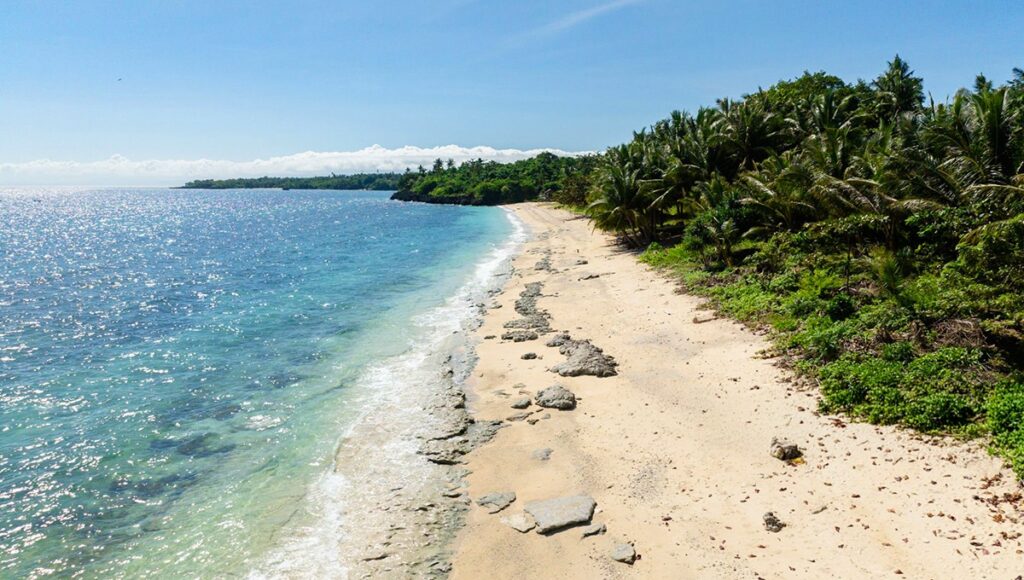
If you want the classic tropical dream, then go to Tanduh Beach in Parang. Just envision long strands of white powdery sand, which are silky under your feet, as well as leaning coconut palms and the crystal clear Sulu Sea. In this case, the water is not blue but a changing range of turquoise and aquamarine. As you discover how to island hop in Philippines, these hidden shores become the ultimate reward.
A Feast of Flavours: Tausug Kitchen.
The flavour of the Spice Route is to dine in Jolo Island. The food is distinctly different in the Philippines, with the cuisine mainly Malay and Arab influenced. Exploring the local markets is one of the essential things to do in Jolo.
- Tiyula Itum: You have to have this “Black Soup”. It is very dark and juicy, as coconut flesh is burnt with an unknown combination of spices and tender beef. It is meaty and pungent, and the final comfort food of the Tausug people.
- Pastil and Junay: You can find a quick snack in Pastil, spiced meat covered with rice and banana leaf, or Junay, seasoned rice, which is also a tribute to the use of spices so popular on the island.
- Bangbang Sug: The culture of afternoon tea here is active. Bangbang is a term used to describe local pastries. They go well with a cup of hot Sulu coffee that is locally produced and has a unique, intense kick that will keep you exploring for hours.
Artistry in Each Strand: The Syabit Weaving.
You can not go to Jolo Island without being fascinated by the Pis Syabit. This is the customary hand-woven cloth of the Tausug. The Syabit is a masterpiece in the complicated geometrical patterns as compared to other weaves, which are simple, but the Syabit designs have complicated squares and multi-coloured patterns that depict the soul of the weaver. The Guimba Lagasan Weaving Centre is a place where you can find the skilled hands of local craftsmen at work, a long-standing tradition that has continued to be an active representation of their identity.
Vital Advice to the Contemporary Traveller.
Since I wish your journey to be as lovely as the island itself, there are realities we want to talk about. Travellers often ask, is Jolo Island safe? Jolo Island is a scarred paradise; it has been through hardships, and it needs a traveller who is respectful, patient and ready.
- The Protocol of Respect: Jolo is no place to just turn up. You might wonder, is Jolo Island safe? The answer lies in your approach. Before coming there, it is of paramount importance to liaise with the Sulu Provincial Tourism Office. Visit Jolo only after proper coordination; they will get you the right guides and protection. Why is Jolo Island dangerous in certain contexts? Usually, it stems from its history of conflict, but with official coordination, you are not a tourist; you are a guest.
- Cultural Etiquette: To please the local Islamic traditions, dress decently. In the case of women, clothes that cover the shoulders and knees are welcome. Even a smile and a Salam (peace) can open the doors and hearts. If people ask is Jolo Island safe to visit, the hospitality of the locals is often the most reassuring factor.
- When to Visit: The most desirable period to visit is from December through May. This is the dry season, when the seas are calm, perfect for anyone learning how to island hop in the Philippines safely.
- Safety and Awareness: When one explains why is Jolo Island dangerous, one is likely to answer that it was because of the political instability and insurgencies of the past. Nevertheless, it is possible to explore Jolo Island, Philippines, meaningfully by staying in specific locations and relying on the recommendations of the locals. Even after returning here to ask yourself, is Jolo Island safe?, you should keep in mind that the local guides are your best ally in a safe trip.
- The Gift of Time: Devote a minimum of 3 or 4 days to yourself. Jolo Island is not the act of checking things on a list; it is sitting on the sea wall in the afternoon, letting the agar-agar (seaweed) dry in the sun and hearing the stories of the locals that will alter your perception of life. Those who ask why is Jolo Island dangerous often miss the beauty that comes from its resilience.
A Final Note from Your Guide
The place to visit is Jolo, where you just must peep. It challenges you to look beyond the headlines and observe the “Malingkat”, or the beauty which lies in the morning mist on the volcanoes, in the fine designs of a weaver with his loom and in the amazing friendliness of a people who have preserved their culture despite all adversities. Plan your journey with World Pinoy Flights to make the experience seamless from the very start.
Go with an open mind and a respectful heart, and Jolo will not only give you a holiday, but it will also give you a part of its soul. For those who remain curious if is Jolo Island safe to visit, the answer is often found in the warmth of its people. Jolo Holidays offers a rare glimpse into a resilient spirit. Welcome to the present, dear traveller. May it bring you to a place you will never forget.
FAQs about Jolo Island
Would Jolo Island be a safe place to visit as a tourist destination?
It is regarded as a risky region. Travel is not advised, but only after prior arrangement using the Sulu Provincial Tourism Office and local authorities, although it is beautiful.
How can one make sure of a hassle-free voyage?
Never fail to employ a local guide, and make sure your itinerary is discussed with the provincial government to make sure that you are adhering to the safety measures at hand.
What are the cultural landmarks that should be seen?
The gold-domed Sulu Provincial Capitol and the Guimba Lagasan Centre are in the process of making traditional Pis Syabit cloth.
What is my dress code when going to Jolo?
Be respectful of local Islamic culture, wear modest clothes, and make sure that your shoulders and knees are not visible.
What is the food speciality of the Tausug people?
The most famous culinary dish on the island is tiyula itum, a special black soup which is prepared using beef and burnt coconut spices.