If you’re someone who, like me, travels to experience cultures and countries, I have an experience for you that you won’t find in most travel guides. Forget fancy restaurants and good table manners! The best dining achievement in the Philippines is a culture in which we use our hands to enjoy a table filled with food that represents our true being and belonging to one another.
Let me introduce you to this type of celebration: the Boodle Fight, or as we refer to it locally, the traditional Kamayan Feast.
The Boodle Fight is more than a meal. It is a celebration, an enjoyable experience, and a fantastic way to socialise in a culture like the Philippines. Let me share this experience with you!
The Chronicles of a Travelling Foodie: Spotlight on Kamayan Feast
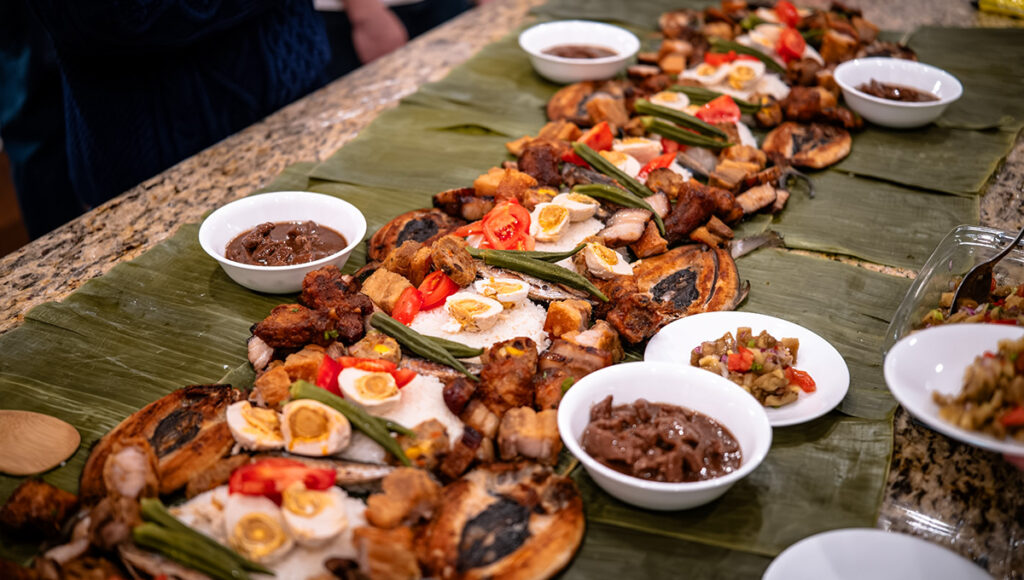
Kamayan, which means “with the hand,” has its origins in Tagalog. It is the unfiltered and ancestral way of eating food in the Philippines. Hand-eating started before the Spanish ships brought with them to these shores porcelain and silver forks. It stands as a testimony to a culture in which relations and simplicity surpass all others. Preparing a kamayan feast requires both tradition and great food.
Boodle Fight Philippines is somewhat more dramatic, named after the mess halls of the Philippine military. Think of soldiers, whatever their rank, throwing off protocol and sitting around a long table. Food was heaped high, and the first “fight” was a loose scramble to see who could eat the most before the stuff was gone.
Today, fortunately, the “fight” is all about happiness. It has shifted from military settings to family meals and now to lively restaurants throughout the islands. This is a chance to enjoy food without any fuss, get a bit messy, and join together in an experience that showcases Filipino hospitality. It’s a time when the saying “What’s mine is yours” truly comes alive—not just as words but through the joyful feeling of sharing rice with your hands. This represents true culinary equality. If you want a quick and easy setup, look for Filipino simple boodle fight ideas.
The Big Feast: How to Set Up a Boodle Fight Table
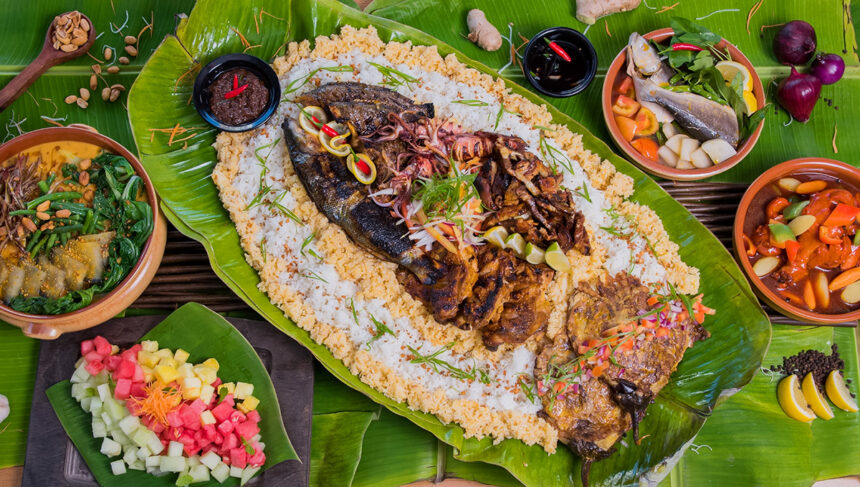
When you set up for a Boodle Fight, it feels like watching a chef prepare something amazing. The difference? Instead of fancy dishes and utensils, everything is laid out on natural materials. Master the boodle fight table setting for a truly authentic experience.
What You Need: Banana Leaves and Water
To begin, grab some long, clean banana leaves. These are placed side by side on the table instead of using tablecloths. They not only smell fresh but also add a nice green colour that makes the food look even tastier. Plus, they’re good for the environment and have been used in tradition for ages. Achieving the perfect boodle fight table setting starts with these leaves.
Don’t forget about your guests! Place small bowls of water around the table, sometimes with a slice of lemon or lime added. This water isn’t meant for drinking; it’s there to wash your hands before and after eating. Remember, clean hands are all you’ll need to enjoy this meal fully, so keep them nice and tidy! This specific preparation is key to a communal kamayan feast.
The Main Dish: The Mountain of Rice
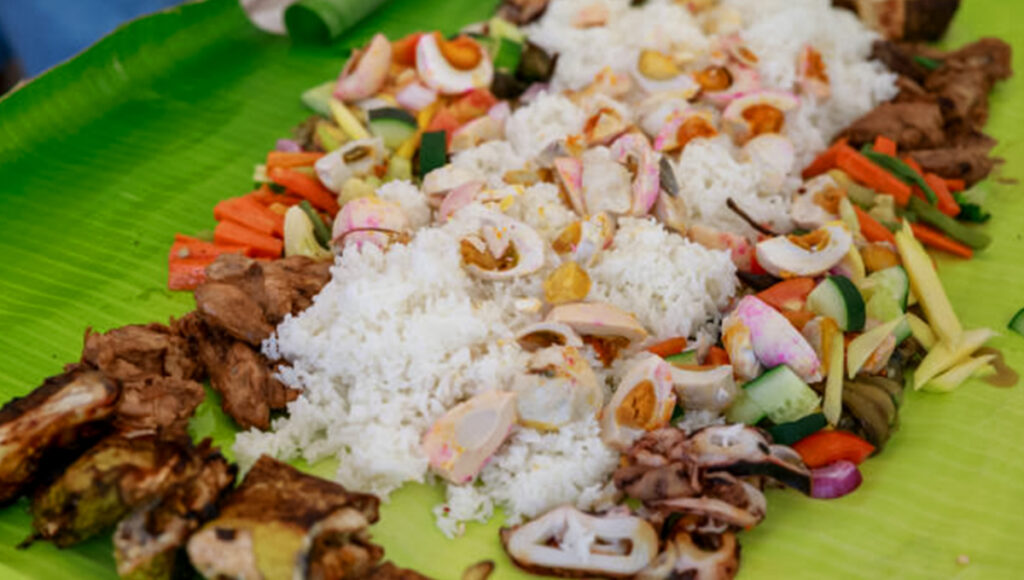
At the heart of the meal is the rice. Instead of plain white rice, there’s usually tasty Sinangag, which is garlic fried rice. This delicious dish is piled high in the middle of banana leaves, looking like a tall mountain made from fluffy grains just waiting to be eaten.
The rice isn’t just something to fill you up; it holds everything together. Its mild and savoury taste pairs well with the rich, salty, and sweet flavours of the main courses. Soon, we will discuss how to use this rice as a base for enjoying your favourite dishes by taking small amounts to scoop them up. Planning the main course is essential for Filipino simple boodle fight ideas.
A Symphony of Flavours: Must-Try Boodle Food Ideas
Now the exciting part: the food. The beauty of the Filipino boodle fight is in the presentation and the amount of food, but it’s also in presenting all of the food on top and around the rice, sharing the intoxicating aromas.
The Heart of the Matter: Proteins
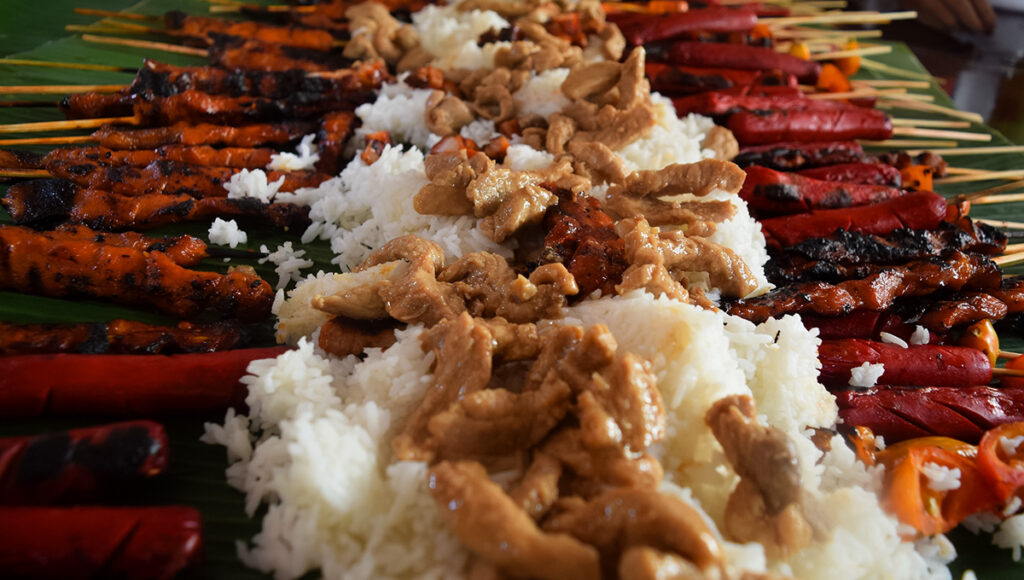
The star of the show is typically the meat, or ulam, which is located in overlapping and strategic areas all over the rice. If you are a beginner, look up Filipino simple boodle fight ideas for inspiration.
- Lechon Belly (The Star of Filipino Cuisine): When it comes to celebrations, Lechon (roast pig) is the dish everyone thinks of. At a Boodle Fight, you’ll often see Lechon Belly, also known as Cebuchon. The pork belly is carefully soaked in a strong mixture of lemongrass, garlic, star anise, and onions before being roasted until it’s tender and the skin becomes crispy and making a crunchy sound when you bite into it. Feeling that crispy skin break in your fingers is an unforgettable experience.
- Chicken Inasal (The Tasty Treat): Originating from the Visayas region, Inasal features grilled chicken marinated with lime juice, pepper, annatto oil (which gives it its nice orange colour), and lemongrass. It’s smoky, tangy, and packed with flavour. Typically served are whole chicken thighs coated in that rich marinade, ideal for eating right off the bone.
- Filipino Pork BBQ Skewers (A Sweet and Simple Favourite): These skewers are easy to make and loved by many. Tender pieces of pork are soaked in a sweet, slightly tangy and peppery sauce, then placed on bamboo sticks and cooked over hot coals. Their straightforward preparation makes them perfect for Kamayan-style eating; just pull the meat off the stick with your fingers and enjoy it with some rice.
- Seafood Delight: To bring some variety to the rich flavour of the pork, there must be fresh seafood. Grilled bangus (milkfish), juicy steamed mussels, and garlic butter prawns are served up enough for you to peel them and enjoy.
Essential Side Dishes: Flavours and Highlights

A Boodle Fight can get even more exciting with some variations of smaller-plate items:
- Lumpiang Shanghai: A popular Filipino spring roll with a crispy coating, stuffed with ground pork and finely chopped vegetables. They make for excellent snacks with unpredictable fillings and a certain crispness in every single bite.
- Atchara (The Palate Cleanser): Often forgotten, yet absolutely indispensable to the entire meal. It consists of quick-pickled shredded green papaya, carrots, and sometimes raisins soaked in sweet vinegar. Having some Atchara after indulging in rich lechon is like having sorbet to cleanse the palate before attempting yet another dish.
- Fresh Produce: To keep the dish very light and refreshing are different assorted vegetables are used. Expect slices of sweet ripe mango to go with the garlic rice, wedges of juicy tomatoes, and colourful boiled vegetables, such as okra or eggplant. This full food menu offers a vibrant taste of the islands.
For travellers curious about Filipino food traditions, kamayan feasts and other local culinary experiences are highlighted by the Department of Tourism as key cultural attractions.
A Sweet Conclusion: Desserts on the Main Table
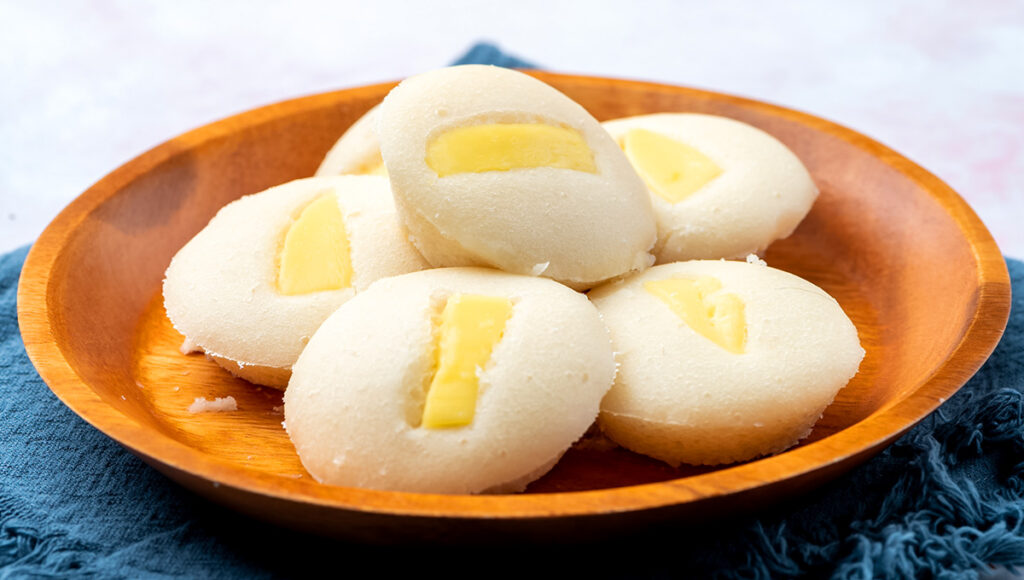
One of the unique and beautiful aspects of the kamayan feast is the absence of boundaries between savoury and sweet. Dessert, referred to as kakanin (local Filipino delicacies), is often served next to all the main courses.
- Puto: Light, fluffy steamed rice cakes often adorned with a sliced piece of cheese or salted duck egg. Surprisingly versatile, it can be used as a small, sweet escape or even a bread-like accompaniment to a main food dish.
- Biko: When you’re ready for a real sweetness, then look for Biko. This sticky rice cake is made using thick coconut milk, dark palm sugar and many times topped with a sticky, golden caramelised coconut curd (latik). Dense, comforting, and wonderfully messy to eat, Biko lends itself to enjoying by hand.
Desserts provide an invitation to eat and eat and eat throughout the experience, whenever you want. There is no dessert course, but rather just a timeless time of sweet enjoyment, always. You can also explore more about Filipino dishes to pair with your Boodle Fight experience.
Taking Part: A Simple Etiquette Guide for Travellers
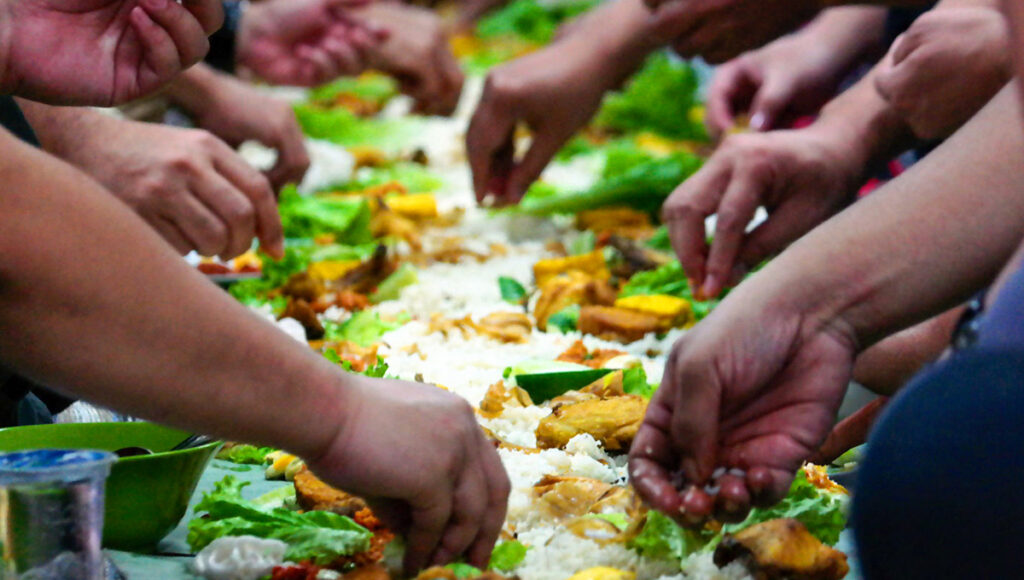
Now that you are equipped with the knowledge, let’s cover the one piece of etiquette that tends to create hesitance in us Western travellers: eating with your hands during a boodle fight Philippines. The success of a boodle fight table setting is truly in the communal feel.
1. Hand Washing Process
This is obligatory. Use any water bowls offered (or, when eating outdoors, a running water source) to properly clean your hands before you eat. A clean hand is a happy hand.
2. Hand Scoop (Right Hand Rule)
Traditional rules dictate that you eat with your right hand. The left hand is reserved for other purposes.
The method is both easy and wonderful:
- Pinch the Rice: Use your fingers (thumb, index, and middle) to pinch and gather a small mound of rice (sinangag). The rice now serves as your fork.
- A Spoon of Flavour: Place the ulam of your choosing (like a piece of lechon, or a small item from inasal, or even a prawn) on top of the mound of rice.
- The Compact: Use your thumb to gently press and hold the rice and meat together into a little package.
- The Lift: Bring the package straight up to your mouth. It will feel smooth and elegant and surprisingly clean once you get the hang of it. Don’t lift your hand too high, and use your fingers to guide the food directly into your mouth; avoid using your palm for this!
3. Be conscious of your own space.
Although all the food is communal, there is an unspoken rule of decorum: take the food only from what is in front of you. Once you have cleared your space, it is understood that the feast is now in play, but in general, one respects the invisible lines until they are broken unwittingly.
4. Relax and enjoy the mess.
The number one mistake that a first-timer will make is to try to remain too clean. You will get oil on your fingers, and you will likely have a grain of rice on your wrist. This is part of the fun! Part of the entire occasion is the sensory experience: the smell from the lemongrass, the colourful spread, the sound from the crunchy skin, and the feel of the food. Accept the wonderful disarray, wipe off your fingers in the napkin, and go again. A full Filipino boodle fight is a joyful, messy affair.
Where the Feast Becomes Memory
And so, dear friends, as the last grains of fragrant garlic rice are gathered and the last sliver of sweet mango is consumed, you will not only recall the taste, but you will also remember the feeling.
The Boodle Fight is more than a meal; it is a collective inhale, an ensemble of hands reaching, and the truest illustration of Filipino hospitality spilt out on a colourful canvas of banana leaves. It is where every wall falls to the ground, where the formal divide of a utensil disappears, and you leave not only satisfied but entangled in the very warmth of the island people.
If you are looking for a single, truly immersive, unforgettable cultural memory in the Philippines, then let it be this boodle fight in the Philippines. Consider this your final invitation to take away any taboo you’ve carried and lean entirely into the delightful, beautiful messiness of this moment; roll up your sleeves, free your hands, and open your heart. There will be a feast of absolute and pure connection waiting for your experience. The authentic kamayan feast is an unforgettable cultural experience, one that World Pinoy Flights encourages every traveller to experience.
Go forth and fight, not for your food, but for the memory of all of us coming together.
Mabuhay!
FAQs about Boodle Fight Philippines
What is a ‘Boodle Fight’?
It is a traditional Filipino communal meal, also called a Kamayan Feast, where a large spread of food is arranged on banana leaves and eaten by hand.
What is the key base for the meal?
In the centre is a “mountain” of Sinangag (garlic fried rice), which serves as the base for the rest of the food to sit on.
What is the proper way to eat?
You eat with your right hand. Pinch off a small amount of rice, add on top any of that which you would like to add ulam, and then gently press it with your thumb into a small package to lift up to your mouth.
What are some important items for the table set-up?
Banana leaves are placed over the table for the “tablecloth”, and small bowls of water are placed at the start and at the end of the meal to wash your hands.
Is it okay to be “messy”?
Yes, being “messy” is part of the fun and sensory experience, and for the table, it imparts informality and the joy of sharing.