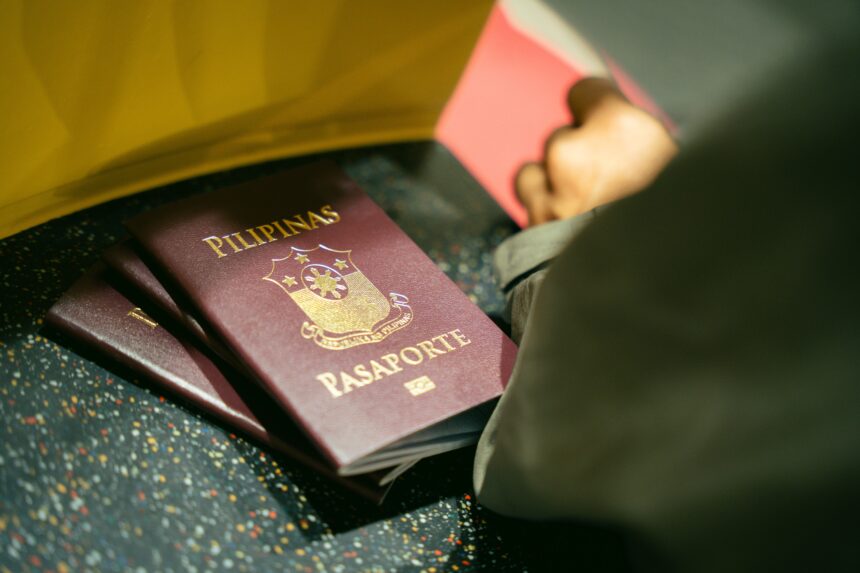
“A beautiful journey is not only about where you go. It is also about knowing you are looked after when the unexpected finds its way into the story.”
Dear travellers, Mabuhay!
The Philippines is a place where a holiday can feel wonderfully easy. While one day you are enjoying the sunset at Boracay, the next day you find yourself island-hopping around Palawan, enjoying something delicious in Manila or waking up to another bright morning by the sea.
But before you go ahead and do your planning on how you can escape to the Philippines, there’s one thing that’s important to take care of, and that is Philippines travel insurance.
It might not be the most thrilling aspect of your holiday preparations. You just want to choose your island, hotel and beach, rather than read pages of insurance terms? However, if your plans change, your bag goes missing, you need medical care or you have to return home unexpectedly.
For those planning to travel to the Philippines, the inclusion of travel insurance Philippines on your travel checklist shouldn’t be taken lightly. It should be like the type of holiday you are going on.
That’s where this guide can help you.
Let’s make insurance easy, understandable and not too boring — World Pinoy Flights style.
Do I Need Travel Insurance for the Philippines?
The short answer is yes: travel insurance is strongly recommended for UK travellers visiting the Philippines, even though it is not generally a mandatory entry requirement.
The Foreign, Commonwealth & Development Office (FCDO) of the UK advises travellers to check all the information regarding their destination and purchase suitable travel insurance that covers their trip, activities, and medical costs.
There’s another key point to consider here.
There is no reciprocal health agreement between the Philippines and the UK. There are also wide differences in quality of medical care between major cities and the more remote islands and medical transport costs can be high, especially in private hospitals. Private hospital treatment and medical transport can be expensive. The FCDO notes that intensive-care treatment can cost more than £1,000 per day.
Then, do I need travel insurance for Philippines?. Thus, do I need travel insurance for Philippines?. The insurance cover can vary depending on your situation and travel plans, but if you do not have enough insurance, you may be personally liable for a lot of expenses.
So, you’ll think of it this way: “You’re not purchasing insurance because you think your holiday is going to go bad.
You’re purchasing it because you wish to secure your holiday savings if it does.
What Should Philippines Travel Insurance Cover?
Not all policies are made for the same traveller.
Different protection levels may be necessary for a backpacker travelling to three islands, a resort family and one traveller interested in scuba diving.
When comparing holiday insurance Philippines policies, don’t just consider the price. You may find a cheaper policy to be more expensive if you are excluding an important section of your travel.
Your policy might cover the following:
- Emergency medical treatment
- Emergency medical evacuation
- Repatriation to the UK
- Cancellation before departure
- Curtailment or cutting your trip short
- Lost, stolen or damaged belongings
- Disruption to travel
- Personal liability
- Certain adventure activities
- Additional accommodation and transport following an insured emergency
Actual benefits, limitations and exclusions will vary by the insurance company and the insurance policy. MoneyHelper also advises that you carefully read the policy wording to ensure it’s not just the headline price that you’re interested in.
It could save you a big headache later if you do this little reading.
Medical Cover: The Part You Should Not Ignore
When considering Philippines insurance cover, medical protection should be your priority.
Suppose that you are on an island-hopping holiday and find yourself seriously ill. Maybe it’s time for a private hospital. Or perhaps you have been in a crash and require treatment. In a more serious situation, you could even need medical transport to another location.
It’s in these times that insurance can have a much more real meaning than paper.
Access to health care may vary from place to place in the Philippines. Medical care may be limited in rural and remote areas and private treatment and medical transport may be costly, says the FCDO.
In deciding travel insurance Philippines coverage, consider:
Medical expenses – Consider the overall amount, rather than whether medical cover is included.
Emergency evacuation – Ensure that the policy covers medically necessary evacuation, if needed.
Repatriation – See if this is covered if the medical emergency is severe and patients are being taken back to the UK.
Hospital arrangements – Know if your insurance company has an emergency assistance program and how to get in touch with it.
Excess – Be aware of how much you might have to pay yourself if you make a claim.
A good policy should provide you with more than a comforting front page sentence. When you really need help, you need to know what to do.
What About Pre-Existing Medical Conditions?
This is one place where the truth is a better policy than telling a lie.
If you have a medical condition, have recently received treatment, or are waiting for tests or investigations, tell your insurer when you apply for cover.
The FCDO recommends travellers to report any medical conditions, including conditions under investigation.
Money Helper also provides information on how insurers might inquire about medical history, and that there are specialist providers who can assist those requiring cover for pre-existing conditions.
Don’t assume anything is too small to be worth reporting.
Discussing with the insurer before travelling is better than finding an exclusion when a claim is made.
Island Hopping? Check the Details
Many first-time visitors may miss this out.
The Philippines is not a mere beach destination.
It is an archipelago of thousands of islands, so you may need to take a plane, ferry, ferry, boat, bus, taxi, transfer and possibly some of the smaller local transport services during your holiday.
It also implies that your Philippines holiday insurance should be based on what you plan to do.
If you are heading from Manila to Cebu, and then to Palawan where you plan to take boat trips to El Nido, your policy must include the trip and activities you are undertaking.
Determine if your insurance will cover:
- Domestic flights
- Boat and ferry travel
- Island-hopping excursions
- Snorkelling
- Scuba diving
- Hiking
- Water sports
- Motorbike or scooter use, if relevant
Adventure activities provided by tour operators
Don’t presume that an activity is covered purely because it’s popular with tourists.
The FCDO specifically recommends travellers to verify insurance coverage of planned activities. They also advise to look at insurance when engaging in activities like diving.
Scuba Diving and Adventure Activities
The Philippines can be a dream destination for travellers who love the water.
Divers from around the world come to explore the waters around Coron, Malapascua, Moalboal and other popular dive destinations. However when it comes to selecting travel insurance for Philippines from UK trips, one must pay attention to other aspects for underwater adventure.
When scuba diving is on the agenda, Before booking a diving trip, read your policy carefully.
There may be restrictions on some policies about:
- Maximum diving depth
- If you have to be accompanied by a qualified instructor
- Whether you need a recognised certification
- The type of diving covered
- Medical evacuation
- Specialist diving incidents
The FCDO advises that divers should explore their insurance and what will happen if something goes wrong at sea, including who can help them.
This also works for other extreme sports.
Your holiday should be an adventure.
Your insurance policy should never.
Typhoons, Rain and Travel Disruption
The Philippines has plenty of sunshine, but its tropical climate also brings a seasonal risk of typhoons.
The country may be impacted by typhoons, especially during the months of June through November. According to the FCDO, about 20 typhoons affect the Philippines annually, most of which occur during this time.
However, this does not mean that you should never travel in these months. It basically means you should be aware of the seasonal weather conditions and follow official updates.
When selecting holiday insurance Philippines cover, you should find out what the policy does with:
- Severe weather
- Flight cancellations
- Travel delays
- Missed connections
- Accommodation disruption
- Cutting a holiday short
- Additional travel costs following an insured event
Convenience is a very different thing from being ‘covered’.
This storm could put your plans on hold, but whether you can claim depends on the details of your policy and the situation.
Cancellation Cover: Protect More Than Your Flight
Now suppose that you’ve been planning your trip to the Philippines for months.
Flights are booked.
Hotels are chosen.
Transfers to and from the island are organized.
But something unusual happens before you go.
That’s where cancellation cover can come in handy.
You may be able to claim for certain reasons that cause you to cancel your trip before departure, provided they are covered by your policy. However, the grounds must be within the scope of policy terms.
Determine if you have a large enough cancellation limit to cover part of your holiday that can’t be refunded.
This is particularly important if you have booked:
- Long-haul flights
- Multiple hotels
- Private transfers
- Tours
- Diving trips
- Island excursions
- Family holidays with several travellers
MoneyHelper suggests reviewing the cancellation limits and ensuring they are adequate for the trip’s cost.
That is, don’t ensure a holiday worth £5,000 as though it were a weekend holiday worth £1,000.
Lost Luggage? Keep Your Receipts
Your suitcase could have traveled across continents before you even arrive at your hotel.
Most of the time things go as they should go.
However, sometimes bags are lost, damaged or delayed.
Depending on your philippines holiday insurance, you may receive cover for your bags.
Before buying, check:
Check the overall baggage limit.
- The single-item limit
- Whether valuables have a separate limit
- Whether delayed baggage is covered
- Whether you need receipts
- What evidence you need for a claim
Insurers may also have varying demands for baggage claims, with proof of purchase for certain items, according to Money Helper.
High-value items such as phones, cameras and laptops may have separate single-item or valuables limits. Check these carefully before you travel.
Wherever possible, retain important receipts.
Do Not Forget Personal Liability
Another easy-to-forget aspect of a policy is personal liability.
Personal liability cover may help if you become legally liable for accidentally injuring another person or damaging their property.
For instance, if there’s a collision with another person or someone else’s property, it may result in costs that you didn’t anticipate.
Each insurer will have specific circumstances that are included in the policy – don’t assume that all accidents are insured just by reading the policy wording.
It’s one of those parts you might never find yourself using.
That’s why you should check it out before you leave.
How Much Does Travel Insurance to the Philippines Cost?
Prices for travel insurance Philippines cover vary.
Your premium may be based on the following:
- Your age
- Trip length
- Number of travellers
- Destination
- Medical history
- Type of activities
- Level of cover
- Excess
- Cancellation value
- Optional extras
Sometimes a simple policy can appear enticing on the grounds of it being cheap, but not all cheap policies are appropriate.
Lift the veil on the big picture.
You may want to pay a bit more to get a more appropriate medical limit, coverage for the activities you enjoy on your holiday or some protection against your holiday being cancelled.
It is not about the cheapest insurance, it is about getting the right insurance coverage at the right price.
It’s really for you to find a cover that will be sensible for your trip to the Philippines.
Single Trip or Annual Travel Insurance?
Single trip insurance may be appropriate if your single trip is your big adventure this year.
In some cases, however, if you are planning multiple holidays, you may want to consider the option of annual multi-trip coverage.
Don’t presume that yearly coverage is superior.
Confirm the maximum length for each trip and if your destinations and activities are covered or not.
Money Helper reminds people to make sure they know not only how many days will be covered throughout the policy period, but also the maximum days per trip covered by the policy.
Those little features can make a huge difference to the frequent traveller.
When Should You Buy Philippines Travel Insurance?
My number one tip is:
Don’t leave your travel insurance until the last minute.
Sensible to make suitable insurance arrangements as you make your travel arrangements, especially for cancellation cover which may be relevant prior to travel.
FCDO recommends suitable insurance before departure and its foreign travel checklist encourages travellers to obtain insurance when they book a trip.
Once you buy your policy, keep your documents somewhere you can reach easily.
Save:
- Policy number
- Emergency assistance number
- Insurer contact details
- Important exclusions
- Claim instructions
- Booking documents
- Receipts for valuable items
You may not need them ever.
If you do, however, you’ll be happy to know they’re right on your doorstep.
What Is Usually Not Covered?
This is where being wise travellers slows down.
Insurance does not protect you from all situations.
Depending on the policy, exclusions may apply to things such as:
- Undeclared medical conditions
- Certain high-risk activities
- Travelling against official advice
- Incidents involving alcohol and drugs
- Unattended belongings
- Some natural disaster circumstances
- Certain pre-existing conditions
- Failure to follow medical advice
- Activities not included in your policy
Specificities of the exclusions vary, so do not depend on a generic list.
It is very important to know the Foreign travel advice Philippines for UK travellers. The government has just issued a new travel advisory: “All travel to (western and central) Mindanao and all non-essential travel to most of Mindanao, with exceptions stated, is advised against at this time. Avoiding travel to areas where it is advised against by the FCDO may impact insurance coverage.
If you are travelling to an area affected by FCDO advice, before you go, please always read up on the latest information for that area.
What are the things to check before buying for UK travellers?
Here is my little Philippines travel insurance checklist for your pre-flight planning.
✓ Destination
Does your policy cover every destination on your itinerary?
✓ Medical expenses
Is the limit suitable for your trip?
✓ Emergency evacuation
Does the policy cover medically necessary evacuation?
✓ Repatriation
If medically necessary, can they be brought back to the UK?
✓ Activities
Are diving, hiking, water sports and other planned activities covered?
✓ Cancellation
Will the limit be sufficient to cover your non-refundable holiday expenses?
✓ Baggage
Are your baggage and valuables covered up to realistic limits?
✓ Excess
How much would you have to pay when making a claim?
✓ Medical conditions
Have you reported all the insurance company’s requirements?
✓ Travel warnings
Has the FCDO’s latest advice been looked at for all destinations?
✓ Policy wording
Have you read the key exclusions?
It could be the least sexy tick.
It could also be the most useful.
A Little More Philippines Planning
Insurance is just one aspect of being ready for your adventure.
But if you’re still in the process of deciding where to go, then our Philippines Travel Guide can help you narrow down your list of stunning islands and make it all make sense for your time and travel style.
If you still have some ideas on what to pack for your trip, check out our guide on Philippines Travel Advice for some handy planning advice.
Still not certain about the proper time to reserve?
You can use our Best Time to Visit the Philippines guide to consider the seasons, weather and type of holiday you are looking for.
Travelling independently?
Before you begin creating your itinerary, another helpful book to read is our Solo Travel Philippines guide.
No matter how great the holidays are, they’re not usually all about one booking.
They’re more of the “here’s the big picture; just assemble the little pieces” type.
The World Pinoy Flights Takeaway
It’s a journey that connects people and a beautiful thing to us Filipinos.
Maybe you’re going home and you have family to visit.
Maybe you’ve been longing to see the country you’ve dreamed of visiting, for years.
Maybe you’re travelling with your partner, your kids or just your backpack and some curiosity.
Whether you’re coming to the Philippines for sightseeing or business, travel insurance is one of the lesser-publicized preparations of your trip that can make it feel more secure.
You may never need to make a claim.
That is the dream.
However, if something goes wrong, you’ll need to have proper coverage and save your energy on getting help rather than figuring out how you’ll cover the expense.
Before you zip up your suitcase, charge your phone and start counting down the days, take a few minutes to read your policy carefully.
- Check the islands.
- Check the activities.
- Check the medical cover.
- Check the exclusions.
- Close the laptop, take a deep breath and get pumped up.
For somewhere beyond the gates of the airport, the Philippines awaits with warm smiles, island mornings, brilliant food, blue waters and a story that can become one of your favourite travel tales.
Mabuhay, dear travellers. Let your Philippine story begin with island dreams, happy hearts and a little peace of mind with World Pinoy Flights.
FAQ
1. Do UK citizens need travel insurance for the Philippines?
Yes. No mutual health agreement exists and the costs of care, particularly private hospitals or evacuation, can be very costly.
2. Is scuba diving and island hopping automatically covered?
Not always. Check your policy to make sure it includes the adventure activities, water sports and remote areas or islands you want to participate in.
3. Should I declare pre-existing medical conditions?
Yes, always. Not reporting previously existing or current health conditions to your insurance company may result in denied medical claims.
4. When is the best time to buy my policy?
Immediately after you reserve your travel. Purchase early and avoid losing your ride to any unforeseen event prior to departure.
5. Does travel insurance include typhoons and weather?
Subject to policy. Be sure to read all the details to determine whether there is coverage for flights affected by severe weather, delays or cancellations due to natural disasters.