“A journey may end on the map, but the places you love stay with you.”
Dear travellers, mabuhay! Maybe the Philippines has been more than just a name on your wish list. Maybe it has been waiting for that little moment when you finally say, “Why not? Let’s go.” And what a lovely journey that could be.
Imagine lying by turquoise water, cruising between tiny islands, sampling something you’ve never eaten before at a local market and watching the sky turn gold over a palm lined beach. In the Philippines, even the simplest days of travel are mini stories!
Beyond its stunning beaches, however, this island country has a lot more to offer.
The Philippines is home to 7,000 islands, vibrant cities, tranquil villages, coral reefs, awe-inspiring mountains, rich food heritage and rich food traditions and the famously warm Filipino hospitality. It can be a fascinating long-haul jaunt for UK visitors whether you are travelling for your first time, family holiday, an island-hopping trip or a romantic couples’ holiday.
This Philippines travel guide gives you a practical introduction to the country before you go, from choosing the right islands and planning your route to managing your money and staying connected.
So, let’s explore the Philippines, the World Pinoy Flights way.
Why Visit the Philippines?
Some destinations draw you in for one unforgettable experience. Then there are places where the whole journey is the attraction.
The Philippines should be included in the second category.
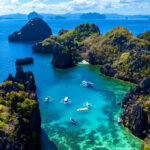
Each of its islands has its own character. Palawan brings you dramatic limestone cliffs, hidden lagoons and crystal-clear waters. Boracay is known for its beautiful beaches, lively atmosphere and easy-going island vibe.
Of course, there is Manila.
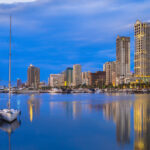
The bustling, contemporary and contrasting capital features historic neighbourhoods, shopping centres, restaurants, museums and where daily life in the Philippines takes place.
Travelling around the Philippines, one of my favourite things is that you don’t have to experience everything. Indeed, attempting to visit multiple islands may make a pleasant holiday an adrenaline-fueled rush.
The answer lies in selecting a few destinations that are right for your type of holiday.
Philippines Travel Guide for UK Travellers
The Philippines may sound like an exciting destination, but it can be just as familiar as it is different to British travellers.
English is widely spoken across the Philippines, particularly in cities and popular tourist areas, which can make travelling easier for UK visitors. Also, Filipino hospitality is memorable and one can find that people are friendly and welcoming and are willing to help.
The Philippines’ official currency is the Philippine peso and the use of credit cards is becoming more widespread in the cities, in hotels and in larger businesses. But cash does come in handy, particularly on small islands or in more rural and local areas.
Flexibility is also important in the Philippines.
One ferry can be delayed. The flight is subject to change. Island connections are reliant on weather. Don’t consider it to be a problem but make some room in your schedule for some breathing room. Some flexibility will enhance your holiday.
Best Places to Visit in the Philippines
There are many places to visit when planning a trip to the Philippines and choosing where to go is likely the most difficult aspect of your trip.
Here are a few of the more popular choices.
Your starting point in the city is in Manila. Manila – Your Urban Starting Point
Manila is a frequently a starting point for an extended trip through the Philippines.
Take time to check it out, don’t just see it as a place to stay for the night before your next flight. Explore historical sights, taste Filipino cuisine, shop in the city and see its evolving skyline.
For the first timers, Manila can also be helpful in acclimating to the time zone of the country before they make their way to the islands.
Palawan – For Island Dreams
Palawan is one of those places where photos can appear almost out of this world.
Now imagine tall limestone rocks, secluded lagoons, blue waters and tiny islands dotted throughout. El Nido and Coron are very popular and unique, respectively.
Island hopping trips are also a big draw in here and allow tourists to explore various beaches, lagoons and snorkeling sites over a day.
If you consider the Philippines to be a destination where you can get up very early to experience a memorable boat ride, then Palawan may be your destination.
Cebu – Adventure Meets Island Life
For travellers looking for a variety, Cebu could be a wonderful choice.
Explore the city, visit waterfalls, head towards coastal areas or use Cebu as a base to explore nearby islands.
It is also a good place to visit for those who are looking for a combination of adventure and relaxation. One day you can enjoy the Land, and the next day you can enjoy the Sea!
Boracay – Beach Days with Energy
Boracay is famous for its beautiful beach and its vibrant holiday ambiance.
It is ideal for those who like to relax, eat at fine dining restaurants, enjoy water sports and indulge in evening entertainment.
If you’re looking for a dream holiday that involves strolling around the beach without shoes before dinner, and then relaxing in the island ambiance after dark, Boracay is a place to consider.
Bohol – A Different Side of the Philippines
Bohol has its own beat.
Its most popular attraction is the Chocolate Hills, but there’s a lot more to this island. countryside, beaches, rivers and local communities can be found.
It can be a wonderful choice for travellers who want more than a traditional beach holiday.
When is the best time to visit?
The Philippines has a tropical climate, but the weather can alter your plans for the island.
Overall, the dry season is typically regarded as the best time for holidays, especially from the end of December to May. Weather varies from place to place, however – and always check the weather forecast for the individual islands you will be visiting.
December to February may be more pleasant temperatures in some areas and March to May may be hotter.
Enjoyable travel is possible in the wetter months but heavy rain, and tropical storms, can impact flights, ferries and outdoor activities.
Here is one of my top Philippines travel tips—don’t make travel plans just because of a lovely beach photo. Make sure to look up the weather on your holiday destinations.
How Long Do You Need?
The number of days on holiday in the Philippines isn’t really a perfect number.
The amount of time you get for the first time is enough to enjoy city life, beaches and island trying to cover the country even on the first visit (around 10-14 days).
Two weeks can be spent on Manila and Palawan or Manila, Bohol and Boracay.
If you have 3 weeks or more, then you can take time and add another region.
This is where a good Philippines trip guide can make a difference other than just a list of attractions. The route should consider not only the number of islands on the map, but also the time it will take to reach them.
Two pretty islands may be geographically neighbouring yet still take several hours to travel between.
Getting around the Philippines is relatively straightforward, but because the country is made up of thousands of islands, transport needs a little planning.
As an island nation, transportation is a crucial consideration in your planning in the Philippines.
Domestic Flights
Long-distance travel between big islands may be most conveniently done by domestic flight.
When you’re dreaming of seeing multiple areas, make sure to do your research before you book your hotel. Your lodging should fit your travel arrangements, and not the other way around.
If you are moving between the Philippines islands, our Philippines Domestic Flights guide can assist you in understanding your choices.
Ferries and Boats
Ferries connect many islands and can be a memorable part of the journey.
Services can be impacted by weather and sea conditions. Be flexible with your travel plans, especially when travelling between islands.
If possible, avoid booking a tight connection between a ferry and a flight.
Local Transport
In urban areas and touristic destinations, you might be a passenger on a taxi, a taxi service, a bus, a tricycle or a local transport in general.
Before embarking on a journey, especially on local transport, always check what the normal fare or booking system is.
Philippines Airports
If you have the information on your arrival at the airport, you will find your plan to be much easier to make.
Ninoy Aquino International Airport (NAIA) is Manila’s main international gateway, while airports such as Mactan-Cebu International Airport, Puerto Princesa International Airport and Bohol–Panglao International Airport provide access to other popular destinations.
When making a booking, find out what airport you will be arriving at and the distance it is from your hotel.
With the help of our Philippines Airports guide, you’ll be able to make sense of the key gateways and make your onward journey more confidently.
Money and Currency
The official paper money is the Philippine peso (PHP).
There are major hotels, shopping centres, restaurants and tourist businesses that will accept cards, but there is still a need for cash for smaller purchases.
Cash is required for local travel, markets, small cafés, entrance fees and beyond the main tourist hot spots.
Please review your bank’s overseas card charges before travelling and inform your bank/business provider of travel if necessary.
To find out more about the spending, exchange rates and tips on money in the Philippines, just read our Philippines Currency guide.
Staying Connected
Having a mobile data can help one travel around the Philippines with ease.
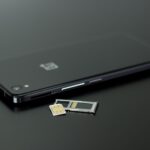
Consider switching to a local SIM card or an eSIM if you’re travelling and use a different phone.
For people who want to use a local number, a physical SIM card might come in handy, or if you prefer, you can organise a connection beforehand with an eSIM.
If you are looking for more information on Philippines SIM Card and Philippines eSIM options before your trip, our guides will help you compare the various practical options.
Access to a reliable internet is especially helpful for information on ferries, map usage, transport bookings and communicating with family.
Philippines Travel Insurance
When you’re getting ready to go on a great holiday, it’s easy to overlook travel insurance.
If you are taking a trip to an island that is a long way off it is a good idea to find out whether the trips you want to enjoy are covered by your policy. This may encompass water sports, diving, trekking or other adventure activities, subject of your itinerary.
Be sure to read the policy terms and conditions very carefully, and don’t assume that everything is included in the activity.
To get more practical advice, check our Philippines Travel Insurance guide before you go.
What to Eat in the Philippines
It’s also a food adventure while you’re in the Philippines.
Filipino food is a blend of various cultural influences and local ingredients and traditions.
You will find some interesting meals like adobo, sinigang, pancit and lechon. Seafood is also a natural option if you’re on the islands.
Do not hesitate to eat at local restaurants and smaller places. Some of your favourite dishes might be at restaurants that are not on your original list.
Don’t be afraid to try something unfamiliar. Some of your favourite dishes may come from a small local eatery you never planned to visit.
Philippines Travel Tips Every UK Traveller Should Know
There are a couple of minor adjustments that can make a huge difference.
- Pack for tropical weather conditions. A light jacket, soft shoes, sun protection and water bottles are helpful.
- Carry some cash. Avoid assuming that you can count on cards, particularly on smaller islands.
- Give yourself extra time. Travel between islands does not always run exactly to schedule.
- Be flexible with your plans. Ferries, boats and flights can be affected by the weather.
- Respect local customs. Simple courtesy and a friendly attitude are the most valuable.
- Take sun protection. The tropical sunshine can feel stronger than you expect.
Do not over-plan. Take it easy on yourself and enjoy yourself where you are, rather than always thinking about where you need to go next.
Planning a Family Holiday?
If you make your choice of islands wisely, the Philippines can be a great family holiday spot!
Instead of staying at different hotels every few days, try staying at fewer hotels for longer periods of time.
Search for lodging that offers family-friendly amenities, and convenient access to transportation, restaurants, and beaches.
Plan activities in the right proportion of adventurous days and slower days. Swimming in a clear lagoon, or enjoying an ice cream by the sea, can be a memorable occasion for a child as much as an awesome tour of the historic city.
Is the Philippines Good for a Honeymoon?
The Philippines has a lot to offer couples.
Picture a private island boat ride, a peaceful beach at dusk, dinner by the sea or a couple of lazy mornings with no destination in mind.
A honeymoon can be a luxury 14-day trip to one hotel, or it can be a weekend to multiple luxurious ones. You might spend a couple nights getting to know the area and then relax on an island.
For those who are looking to add a little romance to their holiday, the Philippines Honeymoon guide can help you come up with ideas for your destination, types of accommodations and events that you can enjoy as a couple.
A simple Philippines Holiday Guide
If you still don’t know where to start, stick to your first itinerary.
Step 1: Select your travel dates.
Read the forecast for the areas you wish to travel.
Step 2: Select 2-3 primary destinations.
Don’t be tempted to visit all islands.
Step 3: Check transport connections.
Consider travel times and domestic flights, and the transfer time before booking a hotel.
Step 4: Organize your must-have items.
Consider insurance, cash, data & essential travel papers.
Step 5: Free breathing room.
Don’t over schedule the morning and afternoon.
Step 6: Be flexible with one or two days.
These spur-of-the-moment experiences may be the best parts of your holiday.
What Makes the Philippines Special?
Perhaps it is the contrast.
There is a day when you will be enveloped by the energy of Manila. The subsequent, you could be swimming in the clear tropical water miles away from the city.
Using the port to wake up to the sound of boats, enjoy a fresh seafood meal on the waterfront, explore a bustling market, hike through green landscapes and end the day with the sunset.
The Philippines isn’t just a place to check off on a list of places to visit.
It’s a country to be savoured – one island, one meal, one gorgeous moment at a time.
Your Philippines Adventure Starts Here
Once you start to plan your trip to the Philippines, you will find that there are a lot of islands, routes and experiences to choose from, and it can be overwhelming at the beginning.
However, you don’t have to watch it all.
Select the locations that resonate with you. Allow yourself sufficient time to enjoy them. Be curious, be respectful, and leave room for surprises!
That’s where magic can often occur.
If you are looking for the first time to visit an island, a family holiday, a Philippines holiday guide or for that matter, what makes this country so special, use this travel guide to Philippines as your starting point.
For official travel requirements, updates, and helpful visitor information, you can always check with the Department of Tourism before you finalize your bookings.
Once the planning starts to happen, World Pinoy Flights is here to make your daydream a trip to remember in tropical destinations.
Somewhere between the blue sea and golden skies, the Philippines is waiting for your next chapter.
FAQ
When is the best time to visit the Philippines?
During the dry season from the end of December to May.
Do I need a lot of cash, or can I use cards?
Make sure you have cash for the small islands, for the local markets, and for transport – cards are accepted in big cities.
Is English widely spoken?
Yes, English is widely spoken, particularly in tourist areas and big cities.
How long should my trip be?
For the initial visit, it’s best to cover a couple islands in about 10-14 days.
Do UK citizens need a visa?
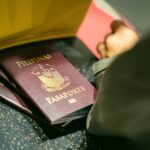
Typically, a UK passport holder can obtain visa-free entry for up to 30 days for tourism.