

Leisurely, it is good to meet a travelling companion. There is indeed something that makes the Philippines seem like a billionaire on his sabbatical holiday in the low-end. With the low cost of living in Philippines, living in the Philippines offers a unique opportunity to enjoy a high quality of life at a fraction of the price found in the West.
It is hard to find a place as captivating to the soul, as well as the purse, as the Philippines. It is a kingdom of 7,641 pieces of emerald which lie upon a sapphire ocean, whose luxury is an invitation and not a door. To the dreamer who wants to spend his retirement days gracefully, or to the wanderer who prefers to work by the shore, this is your guide to a heaven, where your money will go as far as the eye can see.
We are to go into the figures before I get into the scene. Think of how nice it is to be awakened by the quiet swash of turquoise over cliffs of limestone in Palawan, or the fresh scent of pine in Baguio. The Philippines is not a destination; it is a feeling. It is the smelling-lechon-in-the-air scent, the splash of colour of an on-coming Jeepney, and a culture so welcoming that Have you eaten? is the standard greeting. Many expats find that the Philippines cost of living allows for comforts they could only dream of back home.
When planning your journey from the UK or abroad, using a specialised agency like World Pinoy Flights can help you secure the best initial deals to get you to the archipelago affordably.
This guide will cover the perfect ways of living in the Philippines without emptying the purse. It is the truth of the cost of living in Philippines in 2026, starting with the crowded high-rise buildings in Makati to the remote surf shacks of Siargao. For a single person, the archipelago offers an incredible spectrum of affordability.
1. Locating Your Sanctuary: Rental and Housing.
Home may refer to a high-tech glass condo in a big city centre or a traditional bamboo bahay kubo on the beach in the Philippines. Understanding the local property market is a key component of the cost of living in Philippines. Living in the Philippines means you have a vast array of choices depending on your budget.
- The Metropolitan Life (Manila and Makati): Manila is the place to be in case you miss the city life. A contemporary one-bedroom flat in such an upmarket area as Bonifacio Global City (BGC) or Makati will require you to pay between 400 and 750 pounds a month. What you are paying is safety, convenience, and high fibre internet that is high speed. The cost of living in Manila is notably higher than in the provinces, but the amenities are world-class.
- The Coastal Escape (Cebu and Davao): The two cities it claims to be, Cebu and Davao, give us a compromise between the city and the sea. You will have beautiful housing options between £250 and 450 per month for rent.
- The Provincial Dream (Dumaguete & Palawan): This is where the magic works amongst the budget-conscious people. A delightful house or a studio by the sea can be bought in the city of Gentle people (Dumaguete) at a cost as low as £150-300.
For those looking to settle long-term, the Philippine Retirement Authority (PRA) offers the Special Resident Retiree’s Visa (SRRV), which allows you to convert your required visa deposit into an active investment, such as the long-term lease of a house or the purchase of a condominium unit.
Expert Tip: Furnished can be used in the Philippines to refer to the entire range of bed sheets to a rice cooker. Never accept the price; a bright smile and a substantial commitment can tend to slice the price by 10-20%, further lowering your cost of living in Philippines.
2. Food and Dining: A Symphony of Flavours.

The culinary tradition of the Philippines is a melancholy mix of Spanish, Chinese and local culture. It is cheap, plump and should be eaten with friends. The cost of living in Manila is often dictated by whether you eat like a local or a tourist.
- The Domestic Experience: A food trip at a carinderia (local roadside restaurant) is by itself an adventure. A bowl of adobo and a mountain of garlic rice will cost around £1.50 to 2.50.
- Dining Out: On average, a three-course meal for two persons at a trendy, mid-range restaurant in the city will be about £15 to 20. This is a significant factor when looking at the cost of living in Manila.
- The Groceries Basket: In case you are a local, shopping in the wet markets, your food will be very cheap. Fresh mango weighing a kilo will rarely cost more than less than 1.50, and fresh seafood costs a fraction of what UK prices are. But, in case you insist on imported UK cheddar or French wine, you are likely to pay more.
3. Transport in The Philippines is Famous and Affordable.
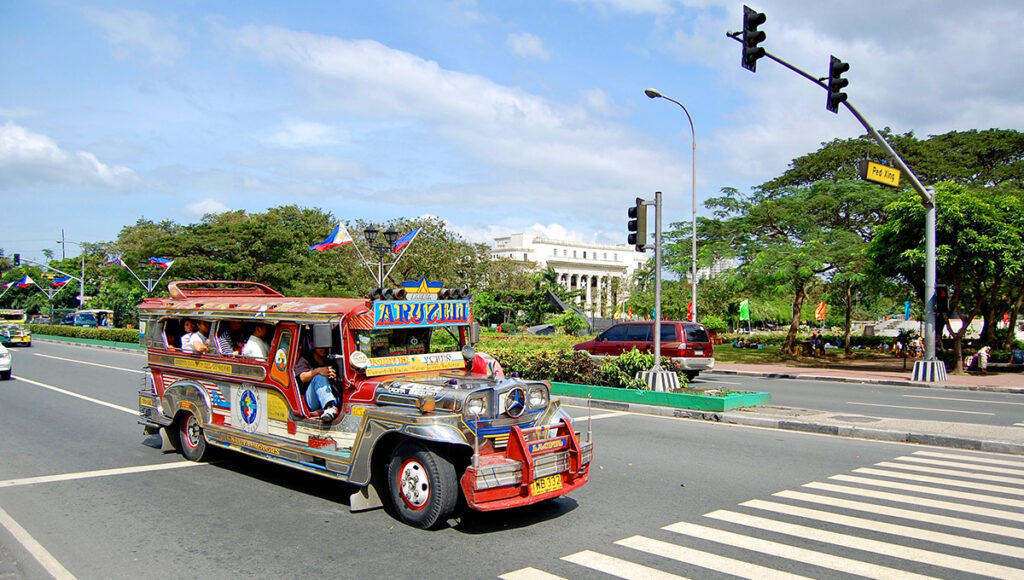
- Jeepneys: With only 15-20 pence, you can ride a Jeepney, often referred to as the King of the Road, in their bright colours, and it’s one of the best ways to see this country.
- Grab and Taxis: If you want to ride in a car by yourself, you’ll want the Grab app (an app like Uber in many Southeast Asian countries). A 30-minute ride across town will cost you around £3-6. This contributes significantly to a manageable cost of living in Manila.
- Island Hopping: You can fly from one island to another through Cebu Pacific Airlines or Philippine Airlines for as low as £25 and create a holiday in the Philippines!
4. Utilities and Connectivity
When you live in a tropical climate, your air conditioner becomes an essential part of your life. The downside to owning an air conditioner is the cost of electricity, which is a major factor in the cost of living in Philippines.
- Electricity: This is one expense that may catch you by surprise. The Philippines has some of the highest prices for electricity in Asia. For example, a small apartment that uses the air conditioner moderately will incur utility costs of around £60 to £90 a month.
- Internet: Residents can now access fibre internet in all major cities across the country. For instance, you can purchase a good-quality, high-speed internet connection of 100Mbps for approximately £25 to £35 a month.
- Mobile Data: In the Philippines, we are known as “the Texting Capital of the World.” As a result, you can purchase very generous mobile data packages (20GB+) for very little money; for example, £10 or less per month. This connectivity makes living in the Philippines ideal for digital nomads.
5. Time Is A Luxury (Lifestyle/Leisure)

As a travel consultant, the Philippines has a big value: “Affordable Luxury”. When calculating the cost of living in Philippines, examples of affordable luxury include:
- Wellness: One Hour full body massage at an upscale Spa generally costs between £15 to £20, and if you go to a local establishment, it will be approximately £6.
- Domestic Help: The majority of expats use a “stay-out” maid who will clean and do laundry once or twice weekly at a cost of £8 to £12 per visit, giving more time to travel.
- Entertainment: The average ticket for the latest blockbuster movie is generally around £4 to £5, and for Karaoke lovers, it is possible to rent a private room with drinks for an entire group for £10 an hour. This contributes to a high quality of lifestyle within the philippines cost of living. If you want to plan your leisure time, check out things to do in the Philippines.”
6. Healthy every day

There are a lot of healthcare workers in the Philippines. There are more nurses in the Bahamas than in most other countries in the world. Living in the Philippines gives you access to high-quality private medical care at very reasonable rates.
- Private healthcare: Private hospitals such as Makati Medical Centre and St. Luke’s provide excellent healthcare in the largest cities in the Philippines. An appointment with a doctor at one of these hospitals costs between 15 and 30 euros.
- International health insurance: The majority of foreigners living in the Philippines have international health insurance, which usually costs between 40 and 100 euros a month, depending on your age and the amount of insurance coverage you want. This is a vital part of the philippines cost of living for long-term residents.
The Summary of Costs: The United Kingdom vs. The Philippines.
At 325% more expensive than Manila, living in London compared to Manila will appear cost-prohibitive for UK travellers. This stark difference highlights why the cost of living in Philippines is so attractive.
Living in the UK will not be considered a luxury; however, for £2,000 you could afford a luxurious lifestyle which includes a condominium with a swimming pool, frequent island-hopping trips, and almost daily dining out. Living in the Philippines on this budget truly makes you feel like royalty.
| Item | UK (London) | Philippines (Manila) |
| Rent (1-bed City Centre) | £1,800+ | £450 – £650 |
| Meal for Two (Mid-range) | £60.00 | £18.00 |
| Domestic Beer (Pint/Bottle) | £6.00 | £1.20 |
| Monthly Transport Pass | £160.00 | £15.00 |
Tracking your expenses is the best way to ensure you maximise these savings while enjoying the best the islands have to offer.
Expert Secrets: Live Like a King Without Spending a Fortune
- The Holiday Season: The “Ber” months (September through December) at Christmas Time should be the best months for travel because everyone celebrates the holidays. So if you travel, then you can take advantage of all the great hotel deals out there. Many luxury hotels offer “staycation” packages during the “Ber” months, which can further optimise your cost of living in Philippines during your stay.
- Know A Little Bit Of The Language: It Always Helps To Have A Few Words In The Local Language(“Thank You” = Salamat, “How Much Is This?” = Magkano). This can often lead to better prices and a lower cost of living in Philippines.
- G-Cash: The Philippines is Going Cash-Free. The Country Is Quickly Becoming Cash-Free Because People Are Now Using An App Called G-Cash To Pay For These Everyday Things From Street Food To Utility Bills. This digital convenience is now a standard part of the cost of living in Manila.
Final Thoughts from Your Travel Expert
The Philippines has a better quality of life than most Western countries. If you want to live somewhere affordable where you can be generous and have access to beautiful natural scenery, then you’ll love the Philippines holidays and the general cost of living in Philippines.
Whether you visit for a month or move there permanently, the Philippines will provide many ways to save money and allow for plenty of opportunities to experience the richness of your soul. With the help of World Pinoy Flights, getting to the islands and planning your travels has never been easier. The islands are calling you; now you know how to get there.
I wish you good luck on your travels! Until we meet again at sunset!
FAQs about Cost of Living in Philippines
Is £1500 a month enough for me to live comfortably?
Yes. With this amount, you can rent a modern place to live in a nice area, go out to eat, and travel domestically one weekend a month.
How much are utilities going to cost me each month?
£70-110 for electricity because of the aircon, but water and internet/high-speed fibre will be cheap.
Will I need a car to get around?
No. You can use Grab or local jeepneys for short distances and fly domestically for long distances.
Can foreigners buy property in the Philippines?
Only condos, and a foreigner can own 100% of the condo unit, but will not own the land the condo is built on
Do expats need health insurance?
Definitely. Local clinics are inexpensive, but a private international health insurance plan will give you access to first-rate medical care in hospitals.