A certain kind of magic falls upon a place when the earth has been the scene of the turning point of the world. Bataan is one such sanctuary. It is a peninsula that breathes the history and pace of the past, where the murmurs of heroes intertwine with the salty air of the South China Sea. Going to Bataan is not just having a holiday; it is to stroll through a breathing gallery of bravery, strength and the eternity of the human spirit. This guide is intended to help you navigate this sacred ground.
Being a person who has spent years moving all over the world in order to visit places and locations where the soul can be filled, I must say that Bataan possesses a quiet dignity that is difficult to find elsewhere. There are many historical places in Bataan where the mountains are silent guardians, and the monuments are a history of the time when the world was holding its breath. For those documenting the most significant historical places in the Philippines, this province stands as a primary chapter of resilience.
Give me a chance to show you the most historical points of this great province. These Bataan historical places will also create an imprint in your heart, regardless of whether you are a history lover or a person who seeks peaceful scenery.
1. Mount Samat National Shrine (Dambana ng Kagitingan).
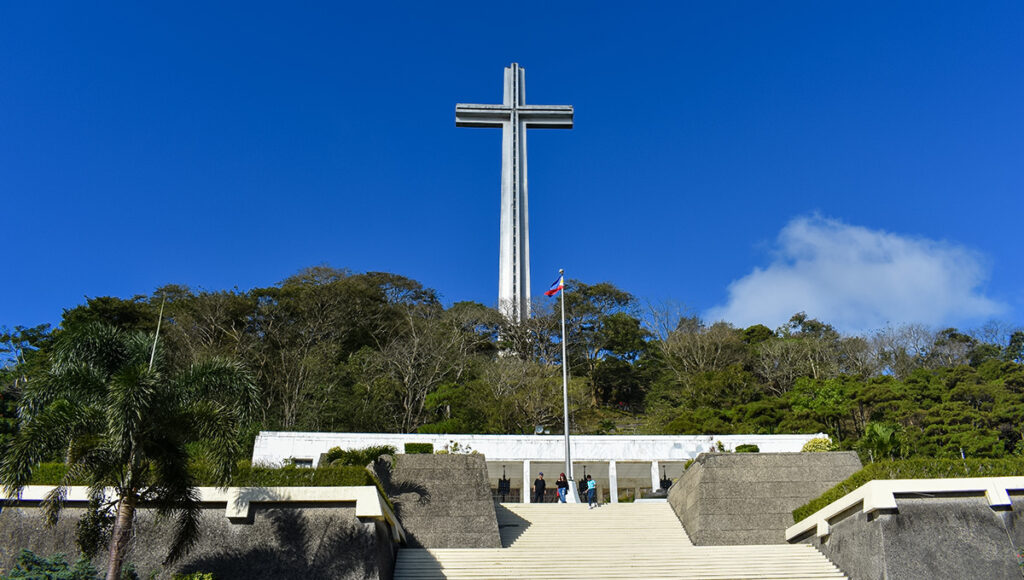
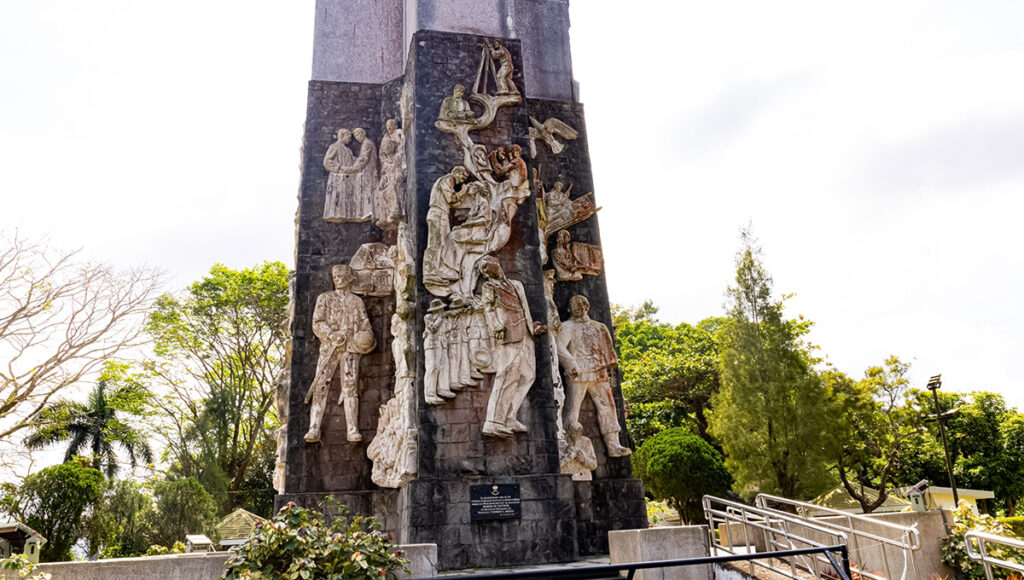
Our voyage starts with the highest reflection of the point. The Dambana ng Kagitingan, or Shrine of Valour, is a structure located on top of Mount Samat in Pilar, and it is probably the most emblematic historical place in Bataan. As one of the premier historical sites in the country, it offers a deep dive into Bataan history.
The key feature is the giant 92-metre Memorial Cross, which is constructed using steel and reinforced concrete and is visible to other areas several miles away. The real beauty is, however, in the details. The exquisite bas-reliefs on the base of the cross are a representation of the key events in the history of the Philippines. There is an elevator inside that takes you to the arms of the cross, where you have a panoramic picture that is, simply, breathtaking. When gazing out on the beautiful green land and the sea in the far off, one cannot help but have a profound sense of serenity, a sharp, beautiful contrast to the violent combats that used to occur on these same slopes.
2. Las Casas Filipinas de Acuzar.
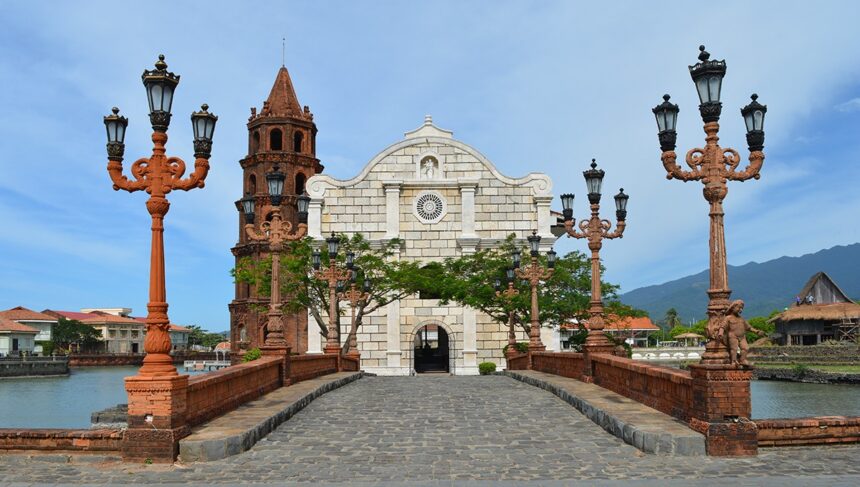
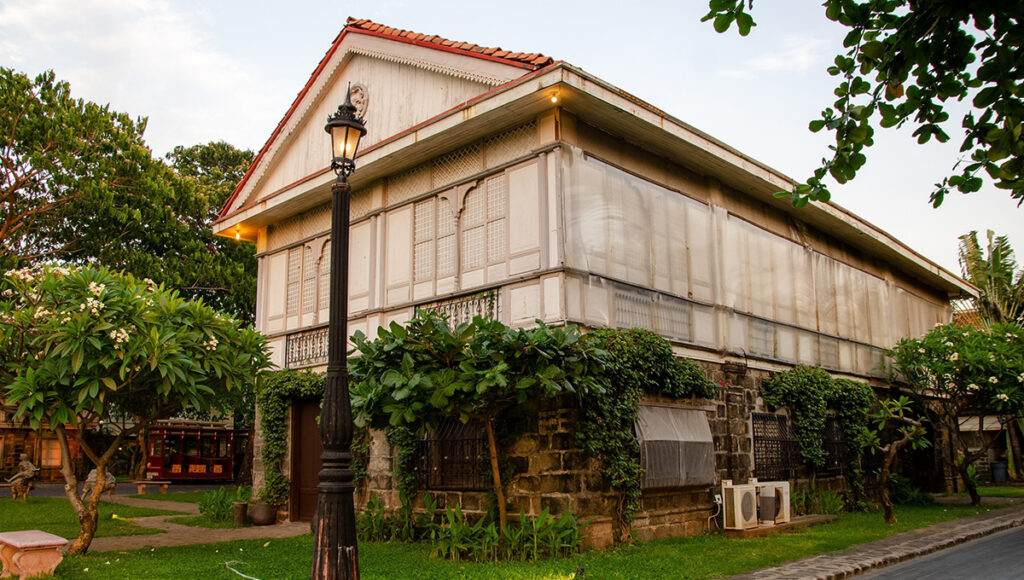
When you want to move back to the architectural elegance of the Spanish colonial period, Las Casas Filipinas de Acuzar in Bagac will be your place. And it is not a resort but a well-maintained heritage park that represents the best of Bataan heritage.
Suppose you walk down cobblestone avenues, with great stone houses (casas) on either side, houses that have been torn down in other sections of the Philippine islands, brick by brick, and reassembled here, with painstaking care. This Bataan historical place allows you to walk through the architectural grandeur of the past. The golden light of the sunset shines on the red-tiled roofs, and the reflections of the bridges and canals give an impression of an 18th-century painting. It is a destination where art meets history as it dances, giving a view of the type of sophisticated lifestyle in a long-gone and forgotten time.
3. The Bataan World War II Museum/Surrendering Site.
Balanga City has its place of great study and emotion in the centre of the city. A large collection of artefacts, dioramas and photographs is housed in the Bataan World War II Museum, and they document the battle between the Filipino and American armies. This is widely considered one of the most educational historical places in Bataan.
Within a short walk of the museum, there is the Surrender Site Marker. It comprises full-size bronze sculptures of Major General Edward P. King Jr and his officers during the surrender. It is a touching location that helps to remember that history is not only about the triumph but also about the high cost of being sacrificed and about the hard decisions made to save humankind. Many who seek a specific historical place in Bataan find this site particularly moving due to its raw emotional weight.
To those who want to learn more about these landmarks or want some guided services, the Bataan Provincial Tourism Office is the best resource you can have, as it has so much to offer, maps and more information to make your pilgrimage through our history as informative and as smooth as possible.
4. Corregidor Island (“The Rock”)
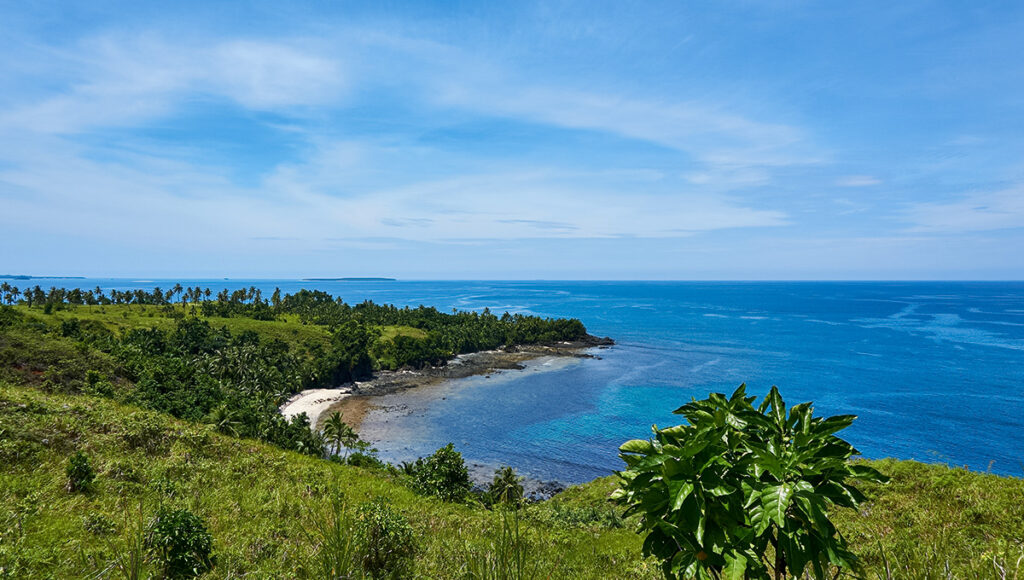
Although technically having been part of Cavite, a way to Corregidor is frequently via Bataan. Referred to as The Rock, this tadpole-shaped land was located at the entrance of Manila Bay and was used as a military fort.
A trip to Corregidor is like travelling back in time to one of the most rugged historical places in the Philippines. The ruins of the barracks, the silent cannons of Battery Way, and the maddeningly beautiful Malinta Tunnel, with its echoes of the past, which seem to linger in the cool air, are heart-touching. The island can also be considered a great combination of grave history and natural beauty because it has a lot of forest tracks and beautiful seabanks, which are the main attractions of the modern travel enthusiast.
If you are planning a broader heritage journey across the country, you may also enjoy reading this guide to other historical places in the Philippines.
5. The Flaming Sword Monument
The town of Pilar has made a spectacular appearance as you drive by the giant hand coming out of the earth, with a 30-foot burning sword in its hand. As you explore the various historical places in Bataan, you will find that the monuments at the crossroads of the identified sectors of Bagac and Mariveles during the Bataan Death March are the Flaming Sword Monument.
It is an effective symbol of the immortality of patriotism and a significant Bataan historical place. Gazing upon the monument in the stark light of day, one feels the boldness of the overall message that even during the most obscure times, the spirit of a nation could never be killed completely. These Bataan landmarks serve as permanent reminders of that strength.
6. Philippine-Japanese Friendship Tower.
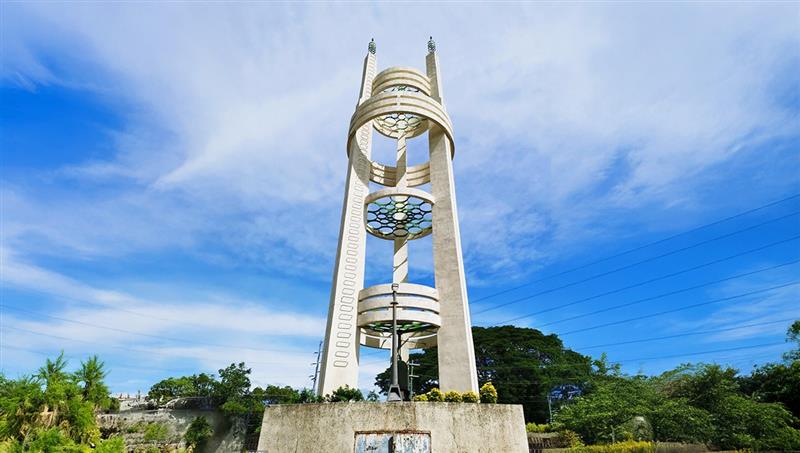
We go to the Philippine-Japanese Friendship Tower in Bagac in the spirit of healing and reconciliation. It is a 27 metre high white edifice that was constructed in 1975 to represent how a bitter history can be turned into a peaceful and collaborative future.
The base of the tower has a serene bell, and the area around it is usually quiet, which offers a means of meditation. It is a stunning ode to the fact that enemies can meet halfway and create a world of mutual respect and friendship among the historical places in Bataan. Among all Bataan historical places, this tower serves as a bridge between a painful past and a harmonious future.
7. The Zero Kilometre Markers
To honour the way of the heroes, a real pilgrim would have to pay a visit to the Zero Kilometre Markers of Bagac and Mariveles. These are the sites of the infamous Bataan Death March and are a must-have when making a Bataan sightseeing itinerary.
It is an embarrassing affair to have to adhere to these indicators in the province. It transforms an ordinary road trip into an act of pilgrimage and reminiscence, and gives you an opportunity to see how vast and how long the distance is that we have traversed by walking while visiting historical places in Bataan. Each marker stands as a grim but necessary historical place in Bataan to visit for those who want to understand the full scale of the march.
8. First Line of Defence Marker
The First Line of Defence Marker is a monument in Dinalupihan, which recalls the first line of resistance of the USAFFE (United States Army Forces in the Far East), against the Japanese invasion. The monument shows soldiers in motion, showing that there is the urgency and boldness of the initial moments of fighting. It is a portal into the province, and it predefines the historical journey that is about to happen as you seek out more historical places in Bataan. This site is a crucial addition to the list of Bataan historical places that shaped the nation’s destiny.
A Letter to My Travellers
Bataan is a town that makes you take things slow. It is not a place to cross off the list, but a province to be experienced. To truly explore Bataan, in addition to these historical places in Bataan, I suggest you consider visiting the Bataan National Park, where you may get the rare Rafflesia flower in blossom or the Five Finger Cove, whose cliffs come in close contact with the sea in a spectacular show of the skill of nature. Visiting such a diverse Bataan historical place ensures a well-rounded journey.
You must come with an open heart when you visit these historical places in the Philippines. Interview with the natives; they are the repositories of these tales, and no people are more hospitable than those of the tropical sunshine. Sample the local delicacies such as the smoked fish (tinapa) and the sweet cashew nuts, which are a real taste of the region.
Bataan serves as an impression that history may be presented in books, but it is best remembered through the senses. The voice of the wind in the trees on Mount Samat, the feel of the cool stone at Las Casas, and the sight of the rising sun over a land which has passed through so much and yet has so wonderfully awakened, it is all this. When you are planning your trips to Bataan holidays, keep in mind that this is the place where every single street will have a story of perseverance and beauty. Stuff your bags, my dear travellers, and come with your curiosity. Bataan, better than anything, is awaiting a narration. And happy wandering, blessed safe journeys, and farewell.
FAQs about Historical Places in Bataan
What is the greatest historical occurrence in Bataan?
The Bataan battle in 1942 was the brave resistance of the Filipino and American troops in WWII.
And where are the houses from the Spanish time?
The Las Casas Filipinas de Acuzar in Bagac have well preserved heritage homes.
What is the meaning of the zero-kilometre markers?
They are the two starting points of the Bataan Death March in Bagac and Mariveles.
So, where is the symbolism of peace between old foes?
Bagac Philip-Japanese Reconciliation and Future Cooperation Tower.
Does Bataan include Corregidor Island?
It is technically a part of Cavite, but travellers most often enter it by Bataan.